Most small landlords do not set out to run a complicated business. They buy one property, rent it to a careful tenant and hope the relationship stays simple. Then a boiler fails in December, a rent payment arrives late, and a repair turns into an argument about who agreed to what.
The landlords who avoid that spiral are rarely the ones with the most experience. They are the ones with the most boring systems: a written screening checklist, a clear lease, a maintenance log and a simple set of accounts. None of it requires a management company. All of it requires a decision made in advance.
This guide sets out a workable system for a single property or a small portfolio, with the caveat that landlord law varies by country and often by city. Use the structure, then confirm the specifics with a local adviser.
Start with the numbers, not the property
A rental property is a business with a thin margin. Before viewing anything, write down the purchase price, the mortgage cost, insurance, property tax, management time, expected vacancy and a maintenance reserve. The reserve is the line most new landlords underestimate. A roof, a heating system or a bathroom does not fail on a convenient schedule.
A useful test is to calculate the yield after costs rather than before. Gross yield divides annual rent by price. Net yield subtracts insurance, tax, repairs, management and an allowance for empty weeks. A property that looks comfortable at 6 percent gross can fall below 4 percent net once the real costs appear.
Decide what return would make the work worthwhile, and write it down. That number becomes the benchmark for every future decision, including whether to accept a lower rent for a reliable long-term tenant.

Screen for reliability, not personality
Screening is where a system earns its keep. Use the same questions and the same checks for every applicant, in the same order, and keep notes. Consistency protects you from accusations of unfair treatment and helps you compare applicants honestly.
At minimum, verify identity, income or another reliable source of rent, and references from a previous landlord. Ask for the reason the applicant is moving. Ask whether they expect the household to change during the tenancy. A polite conversation reveals more than a credit score alone, but neither should be skipped.
Be careful with blanket rules. Rejecting anyone with a pet, a benefit or a young family without reading the local rules can be discriminatory. It is better to set written criteria that relate to the tenancy, such as affordability and references, and apply them to everyone.
Make the lease say the awkward things
A lease is not a test of trust. It is the document you will both read when trust is under pressure. It should state the rent, the due date, the deposit, the notice periods, who pays which utility, what maintenance is the tenant's responsibility and how repairs are reported.
Add practical detail: where the bins go, whether the garden is shared, how many people may live there, whether subletting is allowed and what happens if a repair requires access. Ambiguity is expensive. A paragraph written calmly now can prevent a dispute later.
Use a local standard tenancy agreement as the base and have a solicitor or adviser check anything you add. Do not rely on a template downloaded from another country. The rules on deposits, notice and safety certificates differ widely.
A good lease does not assume the worst in people. It simply removes the need to negotiate the basics at the worst possible moment.
Document the condition before keys change hands
A dated photographic record is the single most useful habit in property management. Walk through the property with the tenant, photograph every room and every appliance, and note existing marks, chips and malfunctions. Send a copy to the tenant the same day.
The record does two things. It protects the deposit at the end of the tenancy, and it gives you a baseline for maintenance. A crack that was noted on day one is not a repair caused by the tenant in month eight.
Do the same at check-out, before any cleaning or repairs begin. Compare the two sets of images, agree what is normal wear and what is damage, and put the conclusion in writing. Most deposit disputes are really disputes about memory.

Run maintenance like a schedule
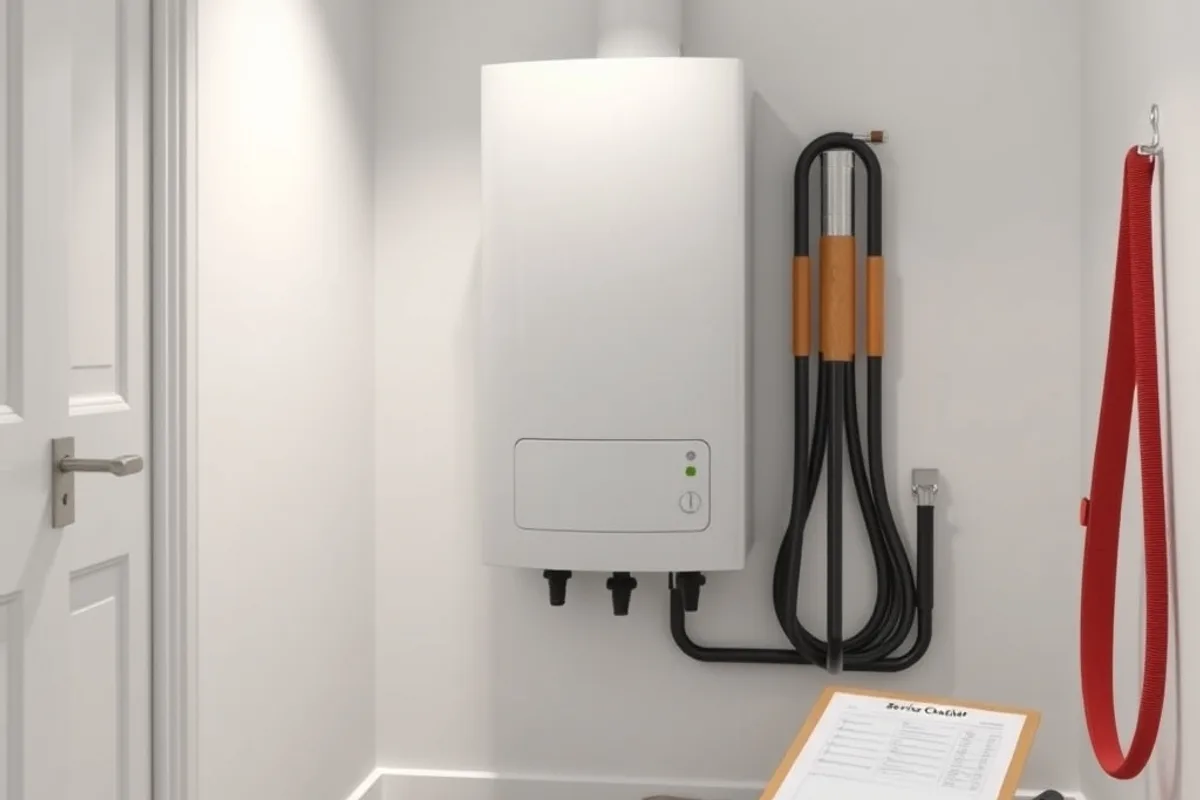
Reactive repairs are unavoidable. Planned maintenance is what reduces them. Keep a calendar for the things that fail quietly: boiler servicing, gutter clearing, smoke and carbon monoxide alarm tests, roof inspections and drainage checks. Book them before the season changes, not after something breaks.
Give tenants a clear way to report a problem, and set expectations about response times. Separate emergencies from routine requests in writing. A leaking pipe is an emergency; a squeaking door is not. When tenants know the difference, they call the right person at the right time.
Use licensed trades for gas, electrical and structural work, and keep the certificates. Cheap work that fails an inspection costs more than the job done properly the first time.
Keep the accounts separate and simple
Open a separate bank account for the property and pay every expense from it. Keep receipts for materials, trades and safety certificates. Record rent received, costs paid and the date of each transaction. A spreadsheet is enough for one property; accounting software becomes useful at three or four.
At the end of the year you will need these records for tax and for your own decisions. The question is not only how much the property earned, but where the money went. If maintenance is consistently above the reserve, the rent or the reserve needs to change.
Review the rent annually against local comparables, not against inflation alone. A modest increase explained in advance is easier to accept than a large one sprung at renewal. If the tenant is reliable and the rent is near market, stability is often worth more than the last few percent.
The small-landlord checklist
- Calculate net yield with a realistic maintenance reserve before you buy.
- Use one written screening process and document every decision.
- Put rent, deposit, notice and repair responsibilities in the lease.
- Photograph condition at move-in and move-out, with the tenant present.
- Schedule safety checks and keep every certificate.
- Keep property money in a separate account with receipts.
When to hire a manager
A managing agent typically charges a percentage of rent plus fees for letting and renewals. That can be good value if you live far away, travel often or own several properties. It can be poor value if you live nearby and enjoy the work.
Before hiring, ask how they handle repairs, who approves spending above a threshold, how often they inspect and what happens when a tenant stops paying. Get the fee schedule in writing and compare it with your own time and stress. The cheapest agent is not always the one with the lowest percentage.
For the tenant side of the same relationship, read our guide to the move-in inspection that prevents deposit disputes.
The bottom line
Property management is mostly administration done early. The landlords who cope with a broken boiler in December are the ones who serviced it in September and kept the certificate. Build the system while nothing is wrong, and the difficult weeks become manageable rather than dramatic.