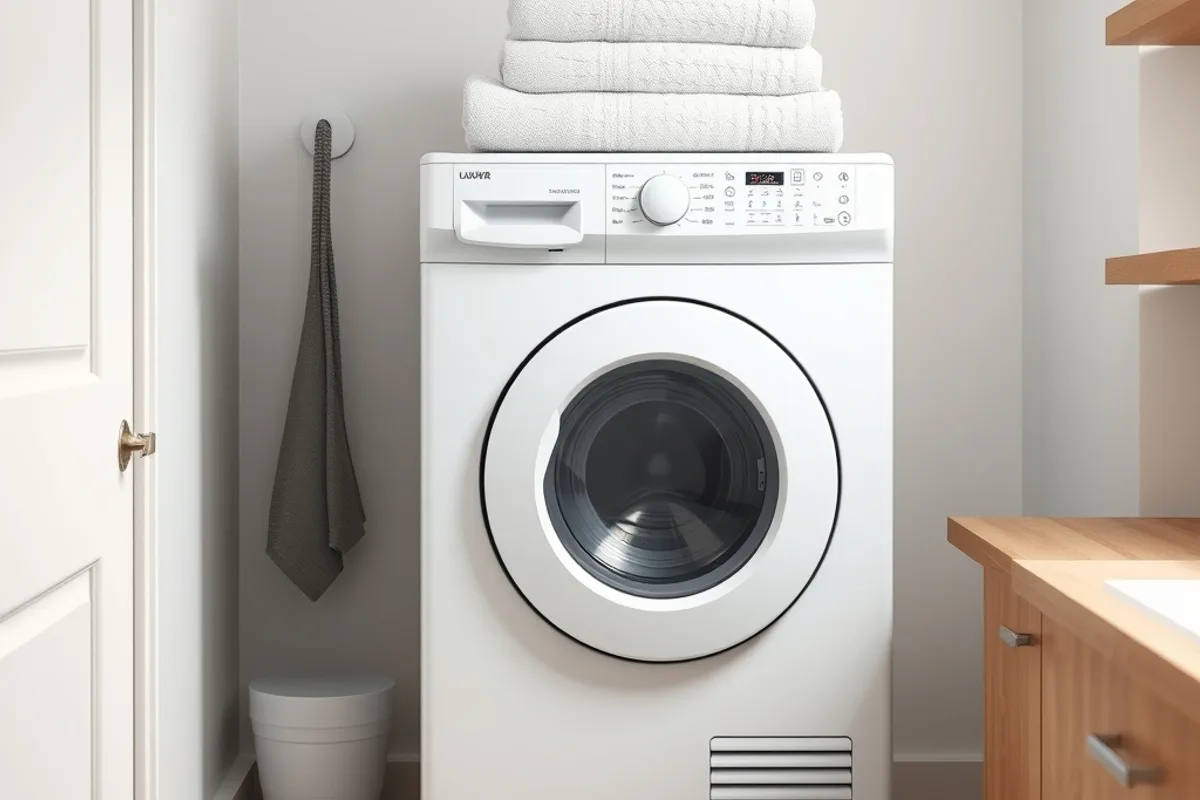
A tumble dryer is one of the most energy-hungry appliances in a home. A conventional vented or condenser model heats air and pushes it through wet laundry, then expels the moisture. A heat pump dryer works differently: it uses a refrigeration cycle to extract moisture at a much lower temperature, then reuses the heat. The result is a large reduction in running cost.
That efficiency comes with trade-offs. Heat pump dryers are generally slower, heavier and more expensive to buy. They also need regular filter cleaning and a little patience. Whether the trade is worth it depends on how often you dry laundry, what space you have and how much you value speed.
The energy label is a starting point, not the whole story. These are the details that matter after the appliance is installed.
Understand the energy rating properly
The energy label compares models within a class, but the difference between an A and a B rating can be small in absolute terms. Look at the annual energy consumption figure in kilowatt-hours, not only the letter. Multiply it by your electricity price to see the real annual cost.
Heat pump dryers typically use roughly half the energy of a condenser dryer and considerably less than a vented model. The exact saving depends on the load, the programme and the model. A larger drum with a heat pump can be more efficient per kilogram than a small one, so compare capacity-normalised figures where possible.
Check the noise level too. Heat pump dryers run longer, so a noisy machine is more noticeable. A difference of a few decibels can matter if the laundry is next to a living area or a bedroom.
Accept the longer cycle
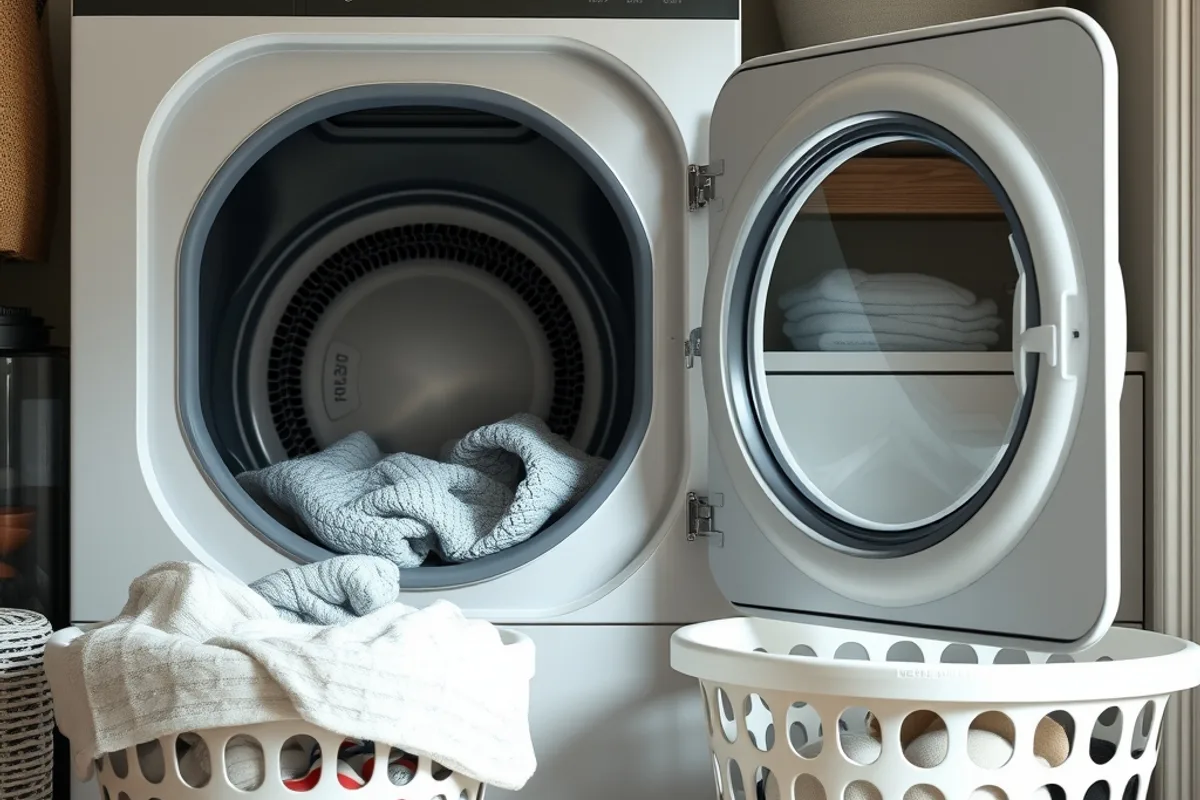
A vented dryer may finish a load in 60 to 90 minutes. A heat pump dryer often takes two to three hours for the same load, and longer for heavy cottons. The machine is not broken; it is drying gently at a lower temperature.
This changes how you use it. Start a load in the morning rather than at bedtime. Use the delay timer if your tariff is cheaper at night, but check that the laundry does not sit damp for hours afterwards. A longer cycle is easiest to live with when the dryer is not needed in a hurry.
Some models offer a quick programme for small loads, but these often use more energy per kilogram. Use them sparingly. The efficient programme is the long one.
Plan for the plumbing and the placement
Most heat pump dryers collect water in a drawer or tank that must be emptied, or can be plumbed directly to a drain. Direct drainage is convenient if the machine sits near a waste pipe, but it requires a slight fall and a proper connection. Check the installation requirements before delivery.
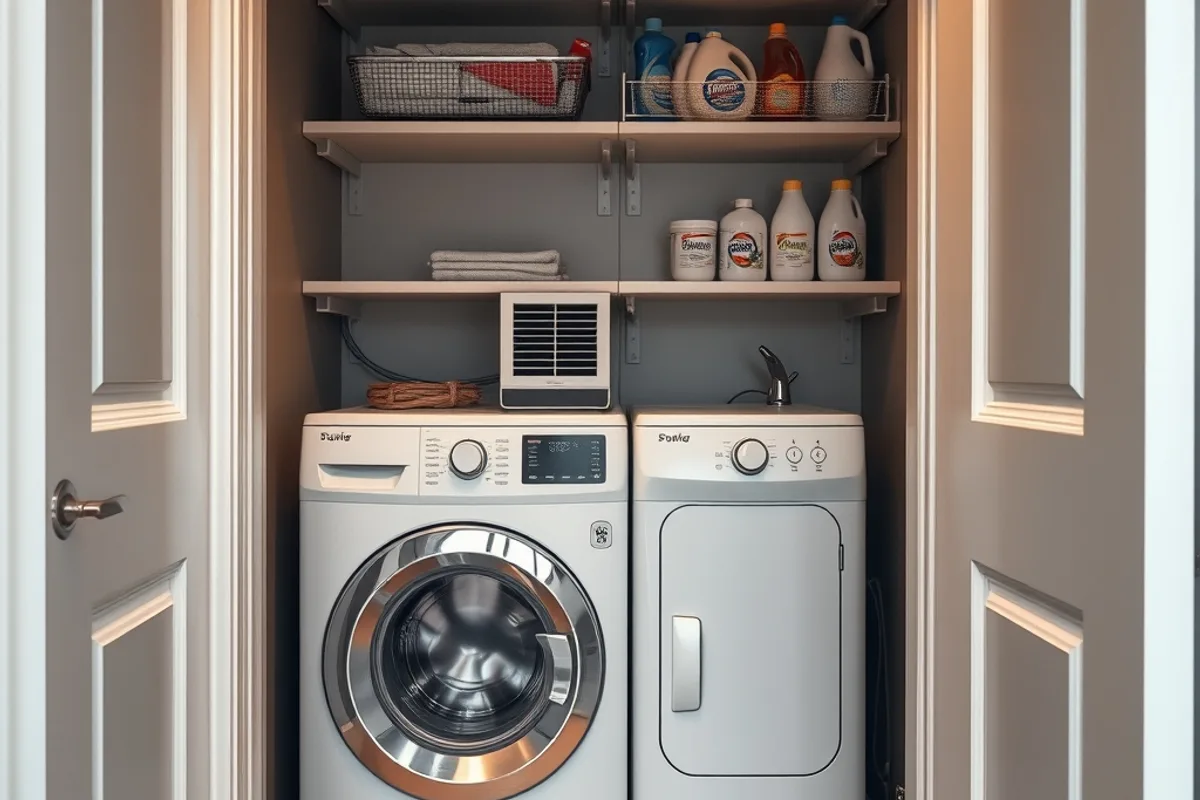
Heat pump dryers do not need an external vent, which gives more placement options. They do need airflow around the unit and a little clearance from walls and cupboards. Do not box one into a tight cupboard without checking the manufacturer's clearance requirements.
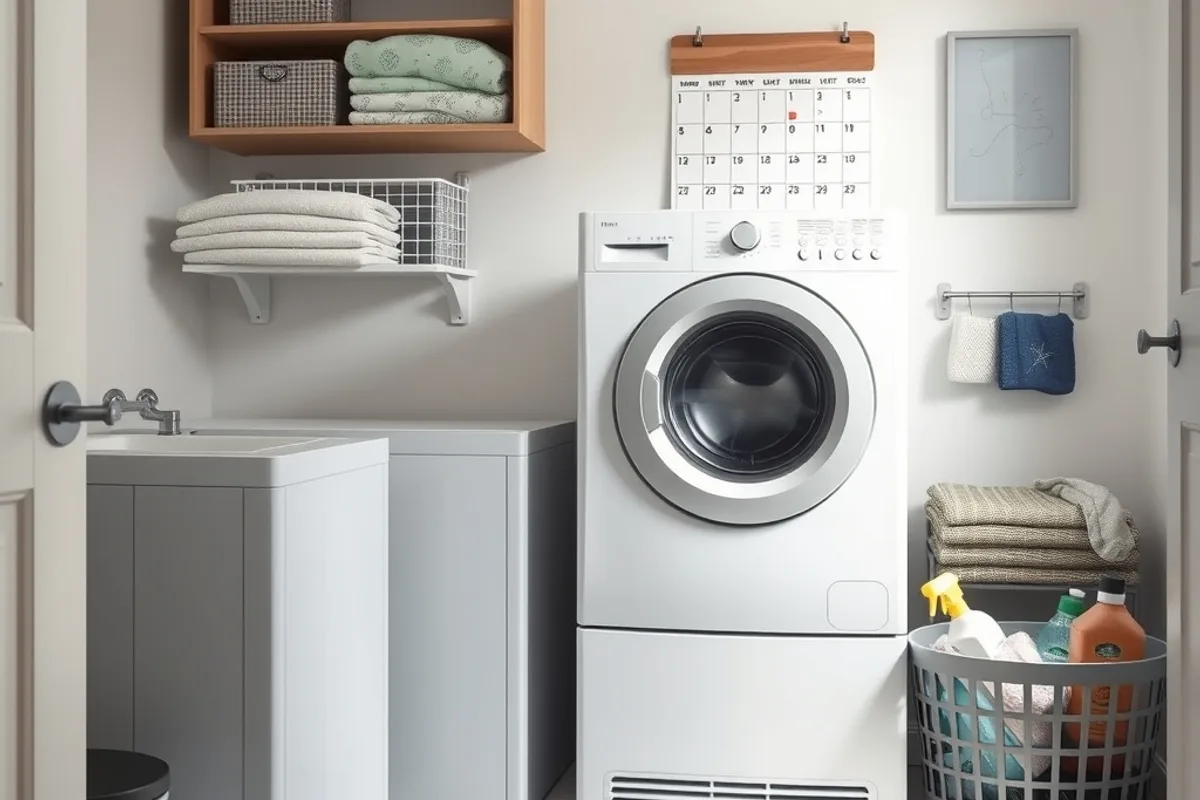
They are heavier than conventional dryers because of the compressor and heat exchanger. Check that the floor or shelf can take the weight, especially if stacking on a washing machine. Use the manufacturer's stacking kit, not a generic one.
The cheapest dryer to run is not always the cheapest to own. The right choice depends on how you dry, not only on the energy label.
The lint routine is not optional
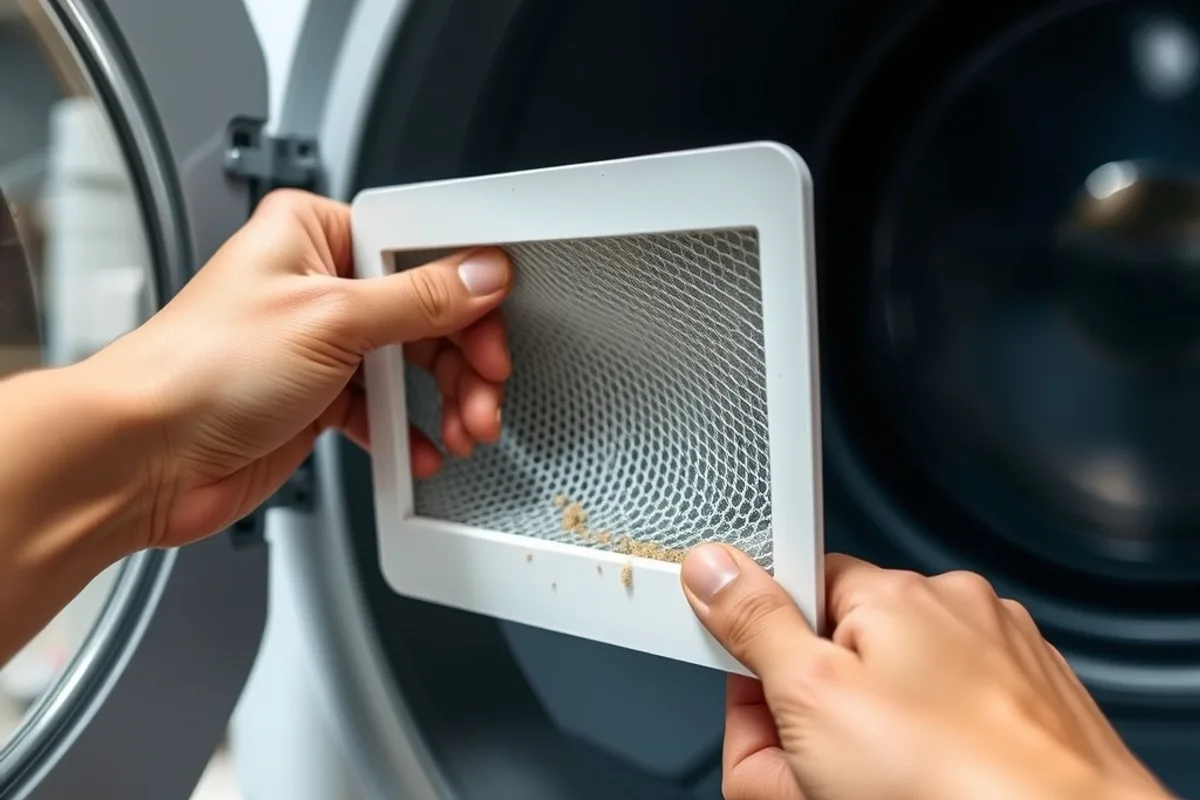
A heat pump dryer has two filters, sometimes three: a lint filter in the drum and a second filter or condenser grille near the heat exchanger. Both need cleaning regularly. A clogged filter reduces airflow, lengthens the cycle and wastes the efficiency you paid for.
Clean the primary filter after every load and the secondary filter monthly, or more often if you dry towels and pet bedding. Some models have a self-cleaning condenser; even those usually need a manual check. Read the manual before the first use, not after the first slow cycle.
Never run a heat pump dryer without the filters fitted. Lint that reaches the heat exchanger is difficult to remove and can cause overheating or a costly repair.
Load and sort for the machine
Heat pump dryers work best with a loosely packed drum. Overloading blocks airflow and adds hours to the cycle. Separate heavy items such as towels and jeans from light synthetic fabrics, which dry at different rates.
Spin laundry at the highest speed your washing machine allows before drying. The more water removed in the spin, the less energy the dryer needs. This one habit can shorten cycles noticeably.
Use dryer balls sparingly and avoid dryer sheets, which can coat the moisture sensors and reduce performance. If static is a problem, a slightly lower dry level or a wool ball is usually enough.
When a vented or condenser model still makes sense
If you dry only occasionally, the purchase price of a heat pump dryer may never be recovered in energy savings. A basic vented model can be the better financial choice for a low-use household, provided it can be vented safely outside.
If speed is essential, such as a busy household drying several loads a day, a conventional dryer may still suit. If the laundry is in a cold garage or an unheated outbuilding, check that the heat pump model is rated for that temperature; some lose efficiency or stop working in the cold.
For a small flat with no vent and limited space, a condenser or heat pump model is often the only option. Compare the total cost of ownership over the expected life, not just the sticker price.
Before you buy
- Compare annual kWh, not only the energy letter.
- Expect cycles of two to three hours, not one.
- Check whether the water tank can be plumbed to a drain.
- Confirm clearance, weight and stacking requirements.
- Plan to clean two filters regularly.
- Consider a vented model if you dry only occasionally.
The bottom line
A heat pump dryer is the right choice for a household that dries often, has somewhere sensible to put it and does not need speed above all else. It rewards a little routine with much lower running costs. Buy it for the long run, not for the quick cycle.
For the rest of the utility room, read our guide to the appliance maintenance calendar that prevents replacements.