Layered Lighting: The One Upgrade That Changes How a Room Feels
Most rooms are lit like offices: one bright source in the middle of the ceiling. Layering light is the cheapest way to make the same furniture feel warmer and more expensive.
Light, colour, furniture and the small decisions that make a room feel calm and considered. Every guide names the trade-offs, the budget range and the details to confirm before work begins.
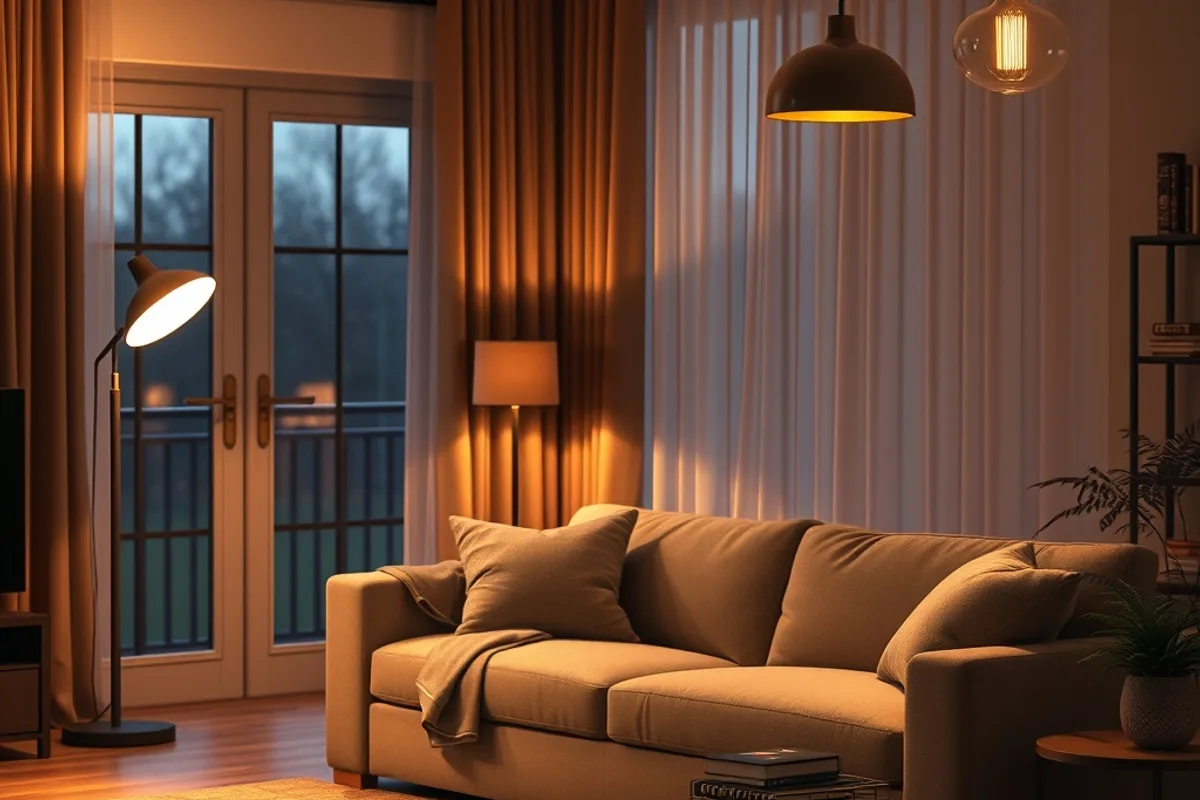
Most rooms are lit like offices: one bright source in the middle of the ceiling. Layering light is the cheapest way to make the same furniture feel warmer and more expensive.

A small room does not need more storage tricks. It needs fewer decisions on display. Calm comes from editing, not from buying another set of baskets.

Good property management is not about being strict or being generous. It is about having a written process that treats every tenant and every repair the same way.
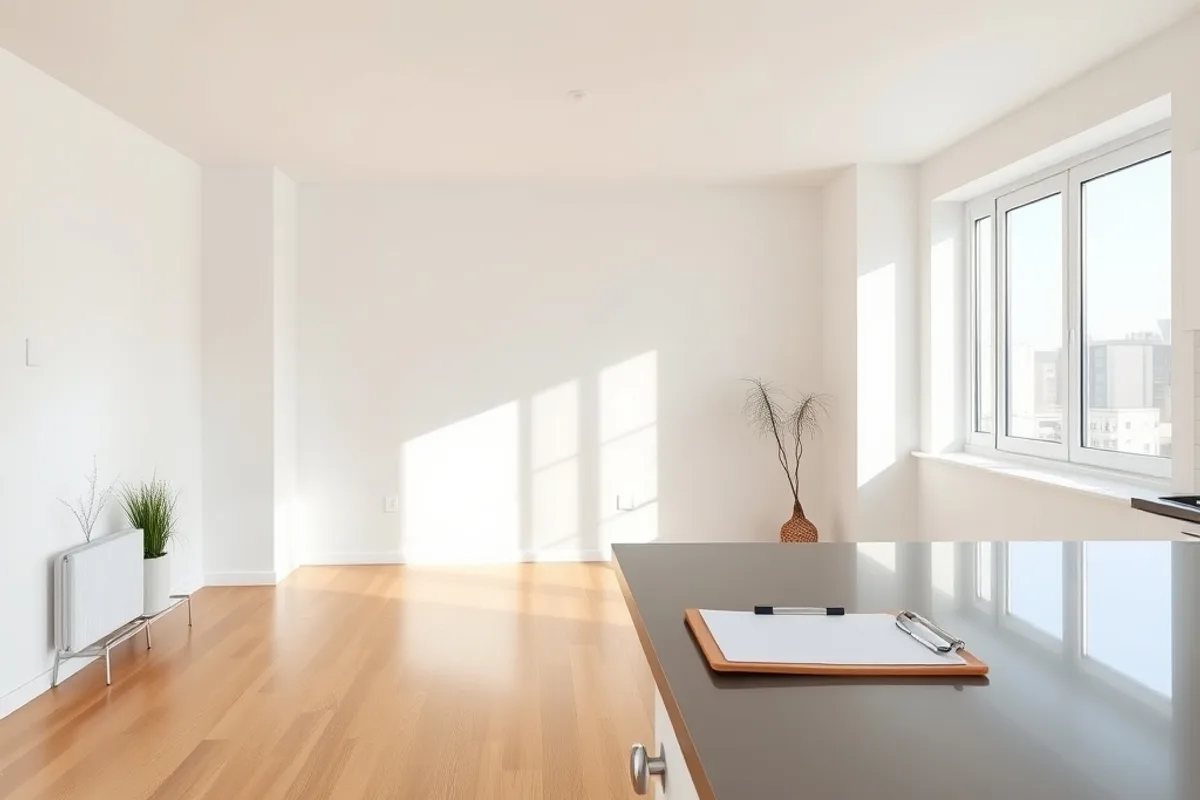
A deposit dispute is usually a disagreement about what the property looked like on day one. The fix is a careful, dated record made before anyone moves a sofa.

Low-water gardening is not gravel and cacti. It is good soil, the right plants and a watering system that reaches roots instead of paving.

Curb appeal is not a spring makeover. It is a structure that looks deliberate in February, survives a downpour and needs little more than an annual tidy.

Not every green upgrade pays for itself at the same speed. The cheapest wins usually hide in the loft and under the floor, long before the solar panels go on.

A single downpipe and a well-placed water butt can cover most of a garden watering season. The details that matter are the base, the overflow and the lid.
Light, colour, furniture and the small decisions that make a room feel calm and considered. The guides run from practical checklists to longer explainers, and each one names its assumptions and the details that can change. Every piece carries the date, the author and links to related guides, so you can follow a subject rather than a single page.
We start with manufacturer documentation, building and safety guidance, official statistics and the experience of tradespeople and property managers. We compare specifications and real running costs rather than repeating a brochure. We follow the guidance published by the Royal Institute of British Architects.
Each guide is reviewed when products, regulations or official guidance change. If a detail has moved, check the manufacturer or your local authority before you act, and tell us if something is out of date.