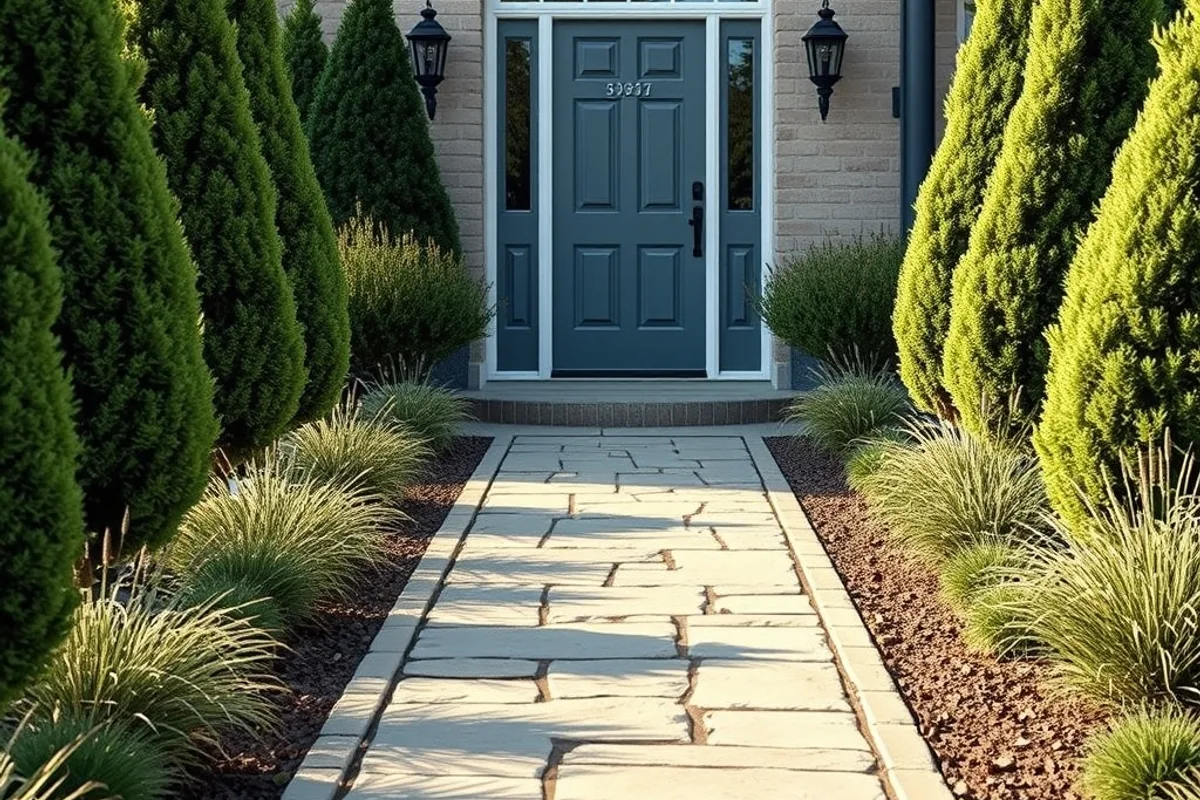
Most front yards are judged in a three-second glance from the street. That glance takes in the path, the front door, the shape of the planting and whether the whole thing looks cared for. It does not notice the variety of the roses. It notices whether the composition holds together.
Curb appeal is therefore a design problem before it is a gardening problem. A clear route to the door, a strong vertical element, a consistent palette and a neat edge will do more than a cartload of seasonal colour. The best front yards also survive real weather: wet winters, dry summers and the weeks when nobody has time to garden.
Here is a plan that works for a typical small front garden and can be scaled up or simplified.
Begin with the route to the door
The path is the first line the eye follows. It should be obvious, wide enough to walk comfortably and free of trip hazards. A straight path reads as formal; a gentle curve reads as informal. Either works if the edges are crisp and the surface is sound.
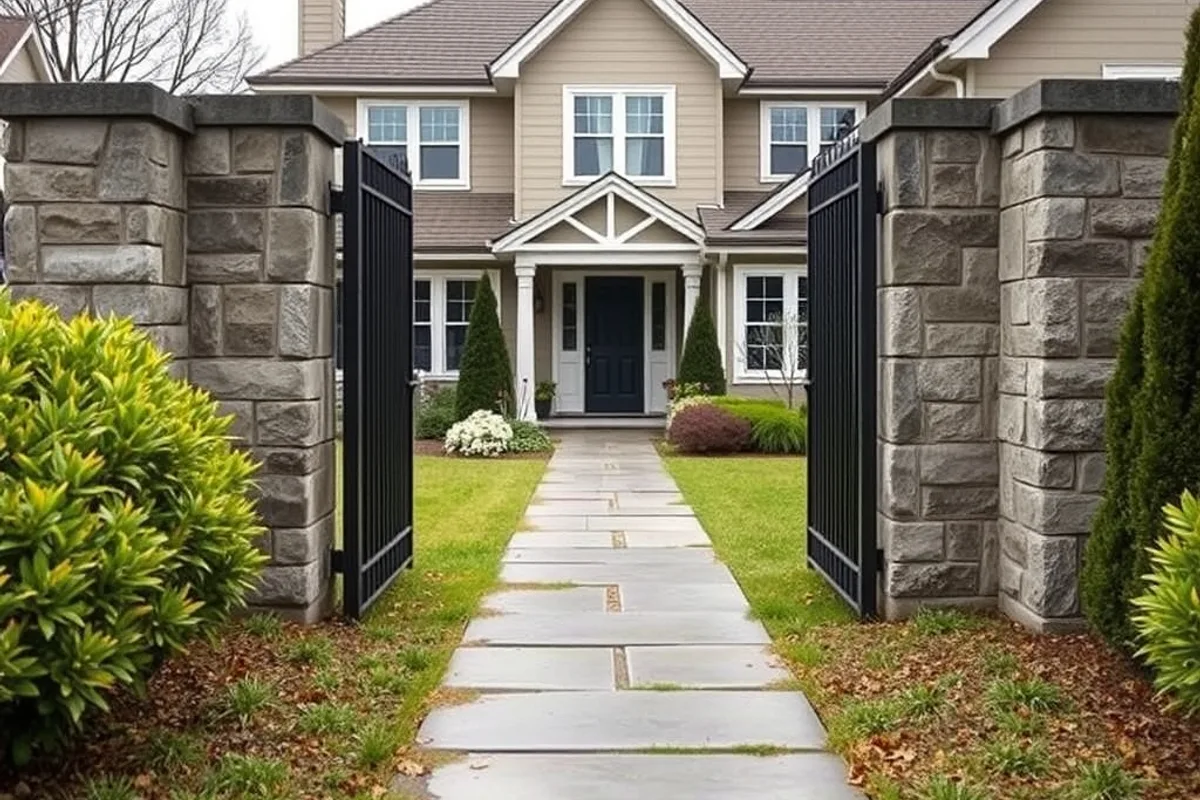
If the existing path is narrow, widen the visible entrance rather than rebuilding everything. A small landing at the gate and at the door makes a narrow path feel intentional. Repair cracked slabs and re-sand joints before adding plants; a beautiful border beside a broken path still looks neglected.
Light the route with one or two low bollards or a wall light. This is a safety measure and a design decision: a lit path makes the entrance feel welcoming on dark afternoons.
Give the front door a frame
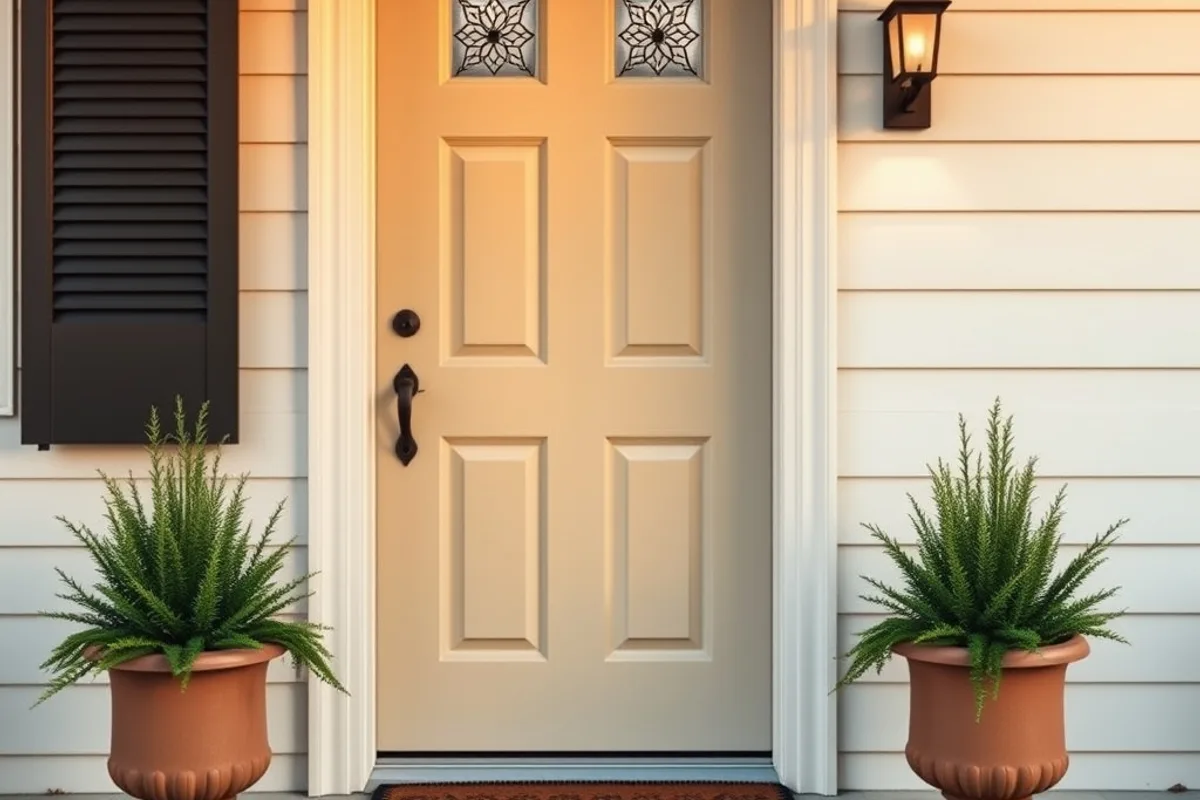
The door is the focal point. Paint it a colour that contrasts with the wall, keep the hardware clean and make sure the number is legible from the street. A simple porch light, a doormat and one planter on each side are enough. More than that starts to look like a display.
If the house has a porch or canopy, use it. A small bench, a boot scraper and a tidy mat make the entrance feel used and cared for. If there is no shelter, a narrow overhang or a robust pergola can define the entry without a major building project.
Keep the area immediately around the door clear. Bins, recycling boxes and stored tools are the most common reason a well-planted front garden still looks messy. Screen them with a simple trellis or move them to the side return.
Build structure before colour
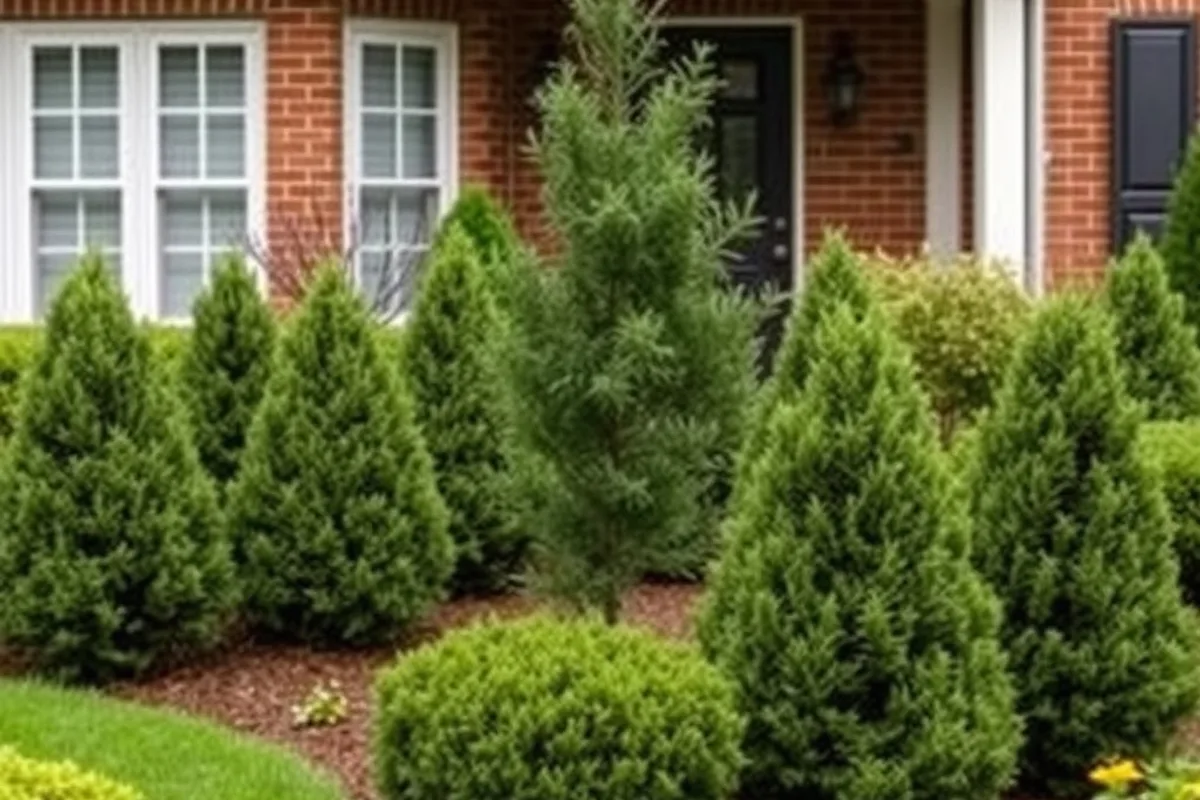
Evergreen shrubs, small trees and architectural grasses give a front garden its shape in winter. Choose two or three structural plants and repeat them. Repetition is what makes a planting scheme look designed rather than collected.
A small tree is the most valuable investment if space allows. It adds height, shade and seasonal change, and it anchors the house in its plot. Check the mature size and the distance from drains and foundations before planting. A tree that outgrows its space becomes a liability.
In a very small yard, use a tall shrub in a large pot instead of a tree. It provides the same vertical accent and can be moved if the design changes. Choose a frost-hardy species if winters are cold.
Curb appeal is what remains in February, after the flowers have gone and the novelty has worn off.
Choose a palette you can maintain
Limit the front garden to a small palette: two or three evergreen tones, one or two flower colours and a neutral hardscape. This reduces visual noise and makes maintenance easier. A front yard that changes colour every month requires more work than most people can sustain.
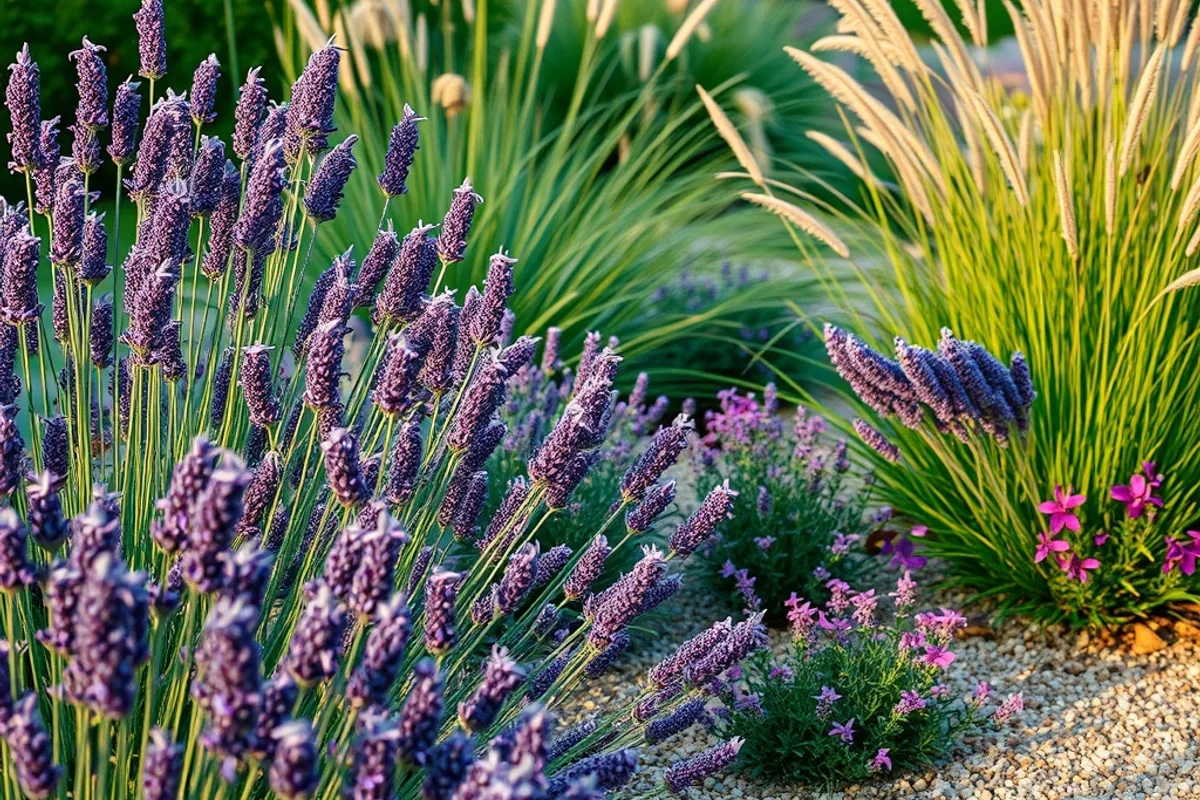
Prefer plants that look good for more than a fortnight. Grasses, ferns, hellebores, salvias and structural shrubs earn their space over a long season. Add annuals in pots for a short burst of colour, then change them without disturbing the borders.
Match plants to the light and soil you actually have. A sun-loving plant in shade will sulk and need replacing. A thirsty plant at the foot of a sunny wall will demand water all summer. The right plant in the right place is the whole of low-maintenance gardening.
Rethink the lawn
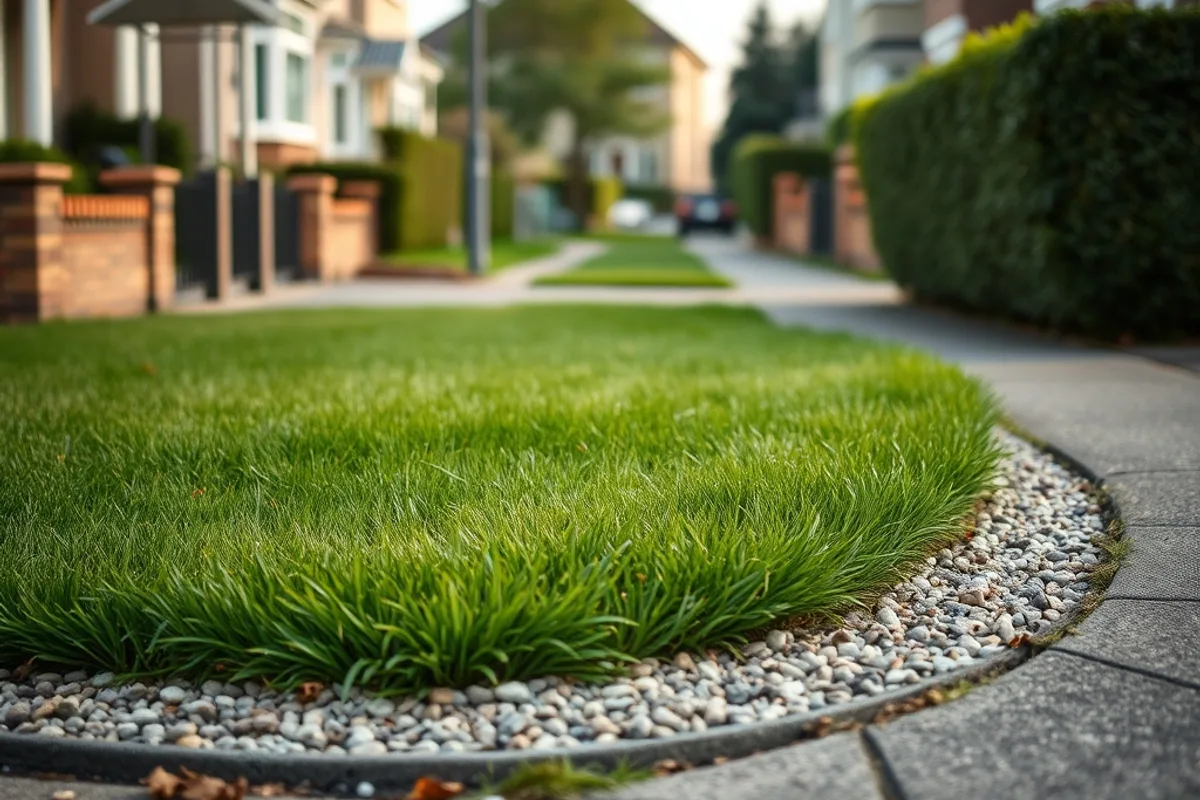
A lawn is not compulsory. If the front yard is small, shaded or used mainly as a route, a lawn can be the highest-maintenance element for the least benefit. Replace it with ground cover, gravel, a low meadow or a planted border, and keep a small area of turf only if it is actually used.
If you keep grass, edge it properly. A crisp edge between lawn and border changes the whole appearance of a garden more than the grass itself. Mow less often in dry weather and leave the clippings to return nutrients.
For a low-water option, consider a gravel garden with drought-tolerant plants or a tapestry of low ground cover. Both need less mowing and less watering than turf, and both look deliberate when edged cleanly.
Details that hold up in weather
Choose hardscape materials that suit the climate. In wet regions, avoid smooth paving that becomes slippery; in hot regions, avoid dark surfaces that radiate heat. A local stone or concrete paver with a slightly textured finish is usually the safest choice.
Make sure drainage runs away from the house. A gentle fall away from the wall, a gravel strip or a channel at the base of the path prevents water pooling at the foundation. This is a practical detail that also protects the planting.
Keep boundaries tidy. A low hedge, a simple fence or a clipped edge defines the property without blocking light. Repair loose fence panels and repaint gates before they become a bigger job. Small maintenance done early is what makes a front yard look cared for year after year.
Front-yard priorities
- A clear, safe path from gate to door.
- A front door that contrasts and is easy to find.
- Two or three repeated structural plants for winter shape.
- A restrained palette rather than seasonal variety.
- A lawn only where it is used; ground cover elsewhere.
- Hardscape that drains away from the house and suits the climate.
The bottom line
Curb appeal is mostly clarity: a visible route, a strong entrance, a simple planting structure and tidy edges. Get those right and the front yard looks good in every season, not only in the week after a garden centre visit.
For a planting approach that needs less water, read our guide to a low-water garden that still looks lush in August.