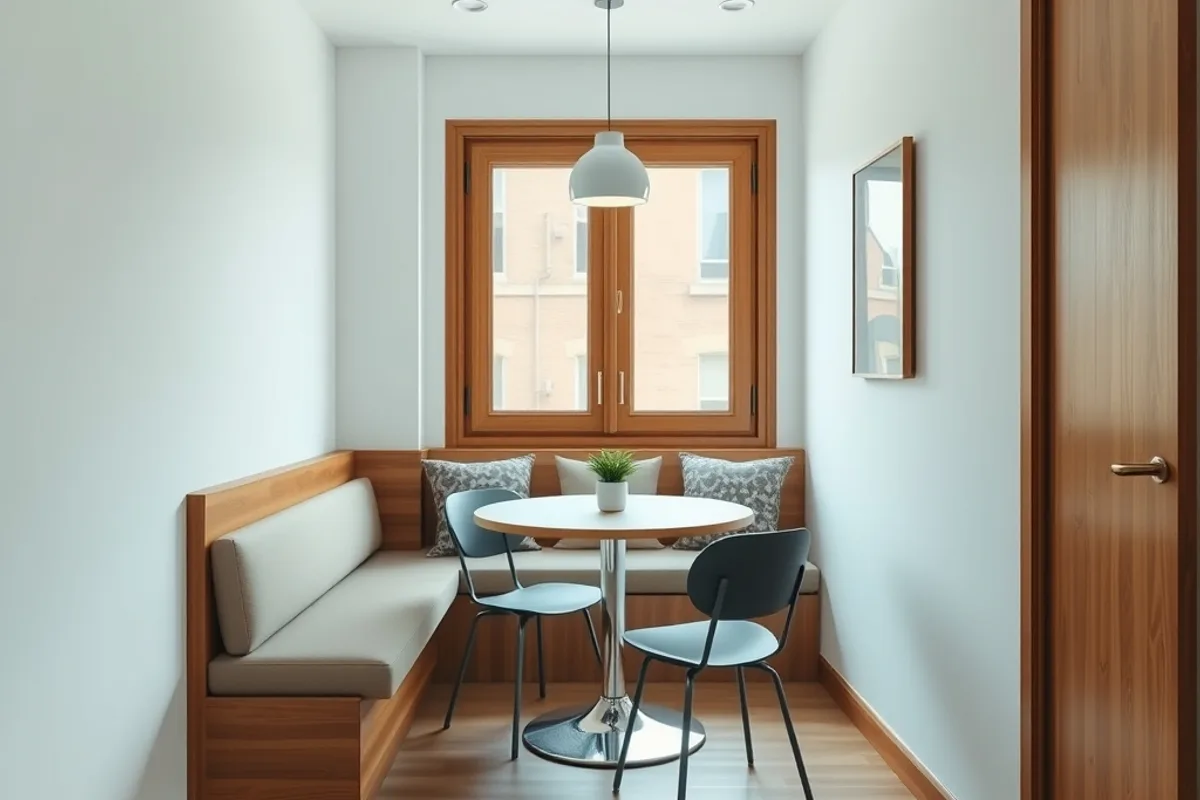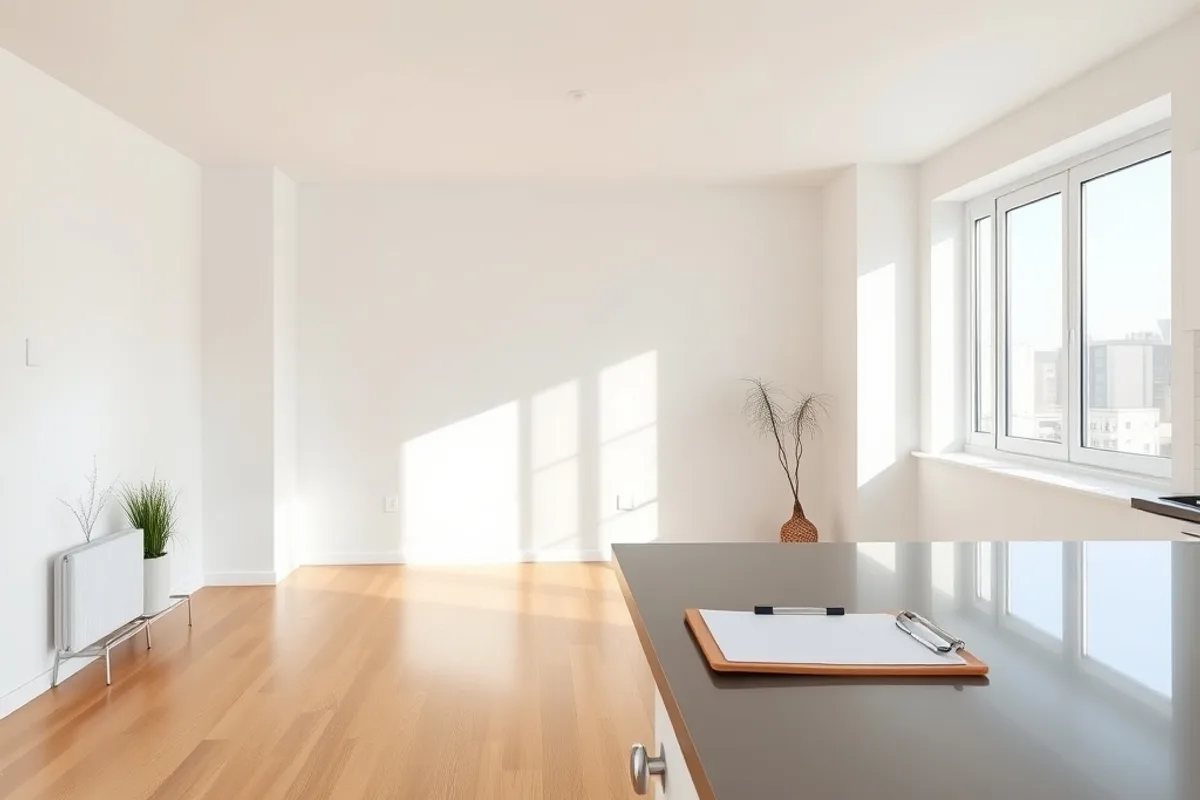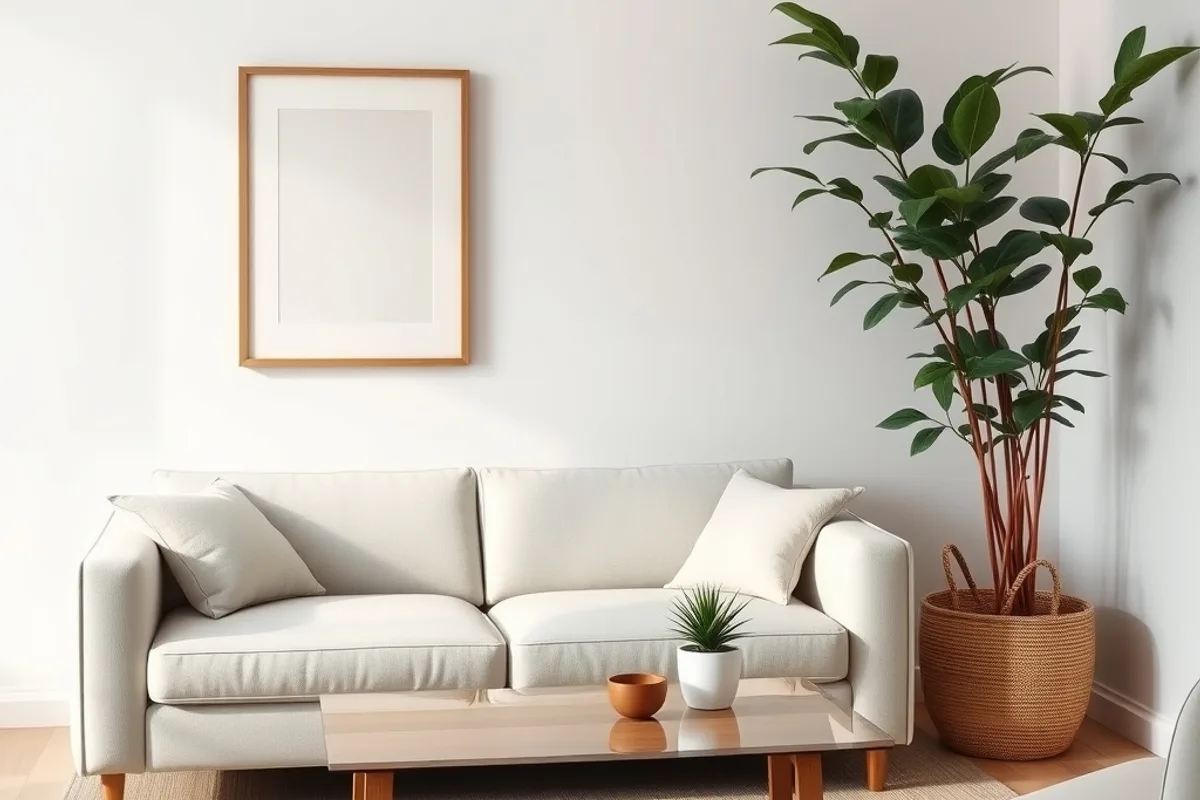
Small apartments are usually described in terms of what they lack: space, storage, a second bedroom. But the feeling of a compact room has less to do with floor area than with how many things are asking for attention. A 40-square-metre flat with ten visual decisions per wall feels smaller than a 30-square-metre flat with three.
The goal is not minimalism as a style. It is a room where everyday objects have a place, surfaces are mostly clear and the eye can rest. That is achievable on a normal budget, and it usually means buying less, not more.
These are the principles that consistently work, whether the apartment is rented or owned, furnished or bare.
Start by removing, not arranging
Before buying a single storage box, take everything off the visible surfaces and put it on the floor or bed. Then put back only what the room needs to function. The rest goes into a cupboard, a drawer or a donation bag. This sounds obvious, and it is the step most people skip.
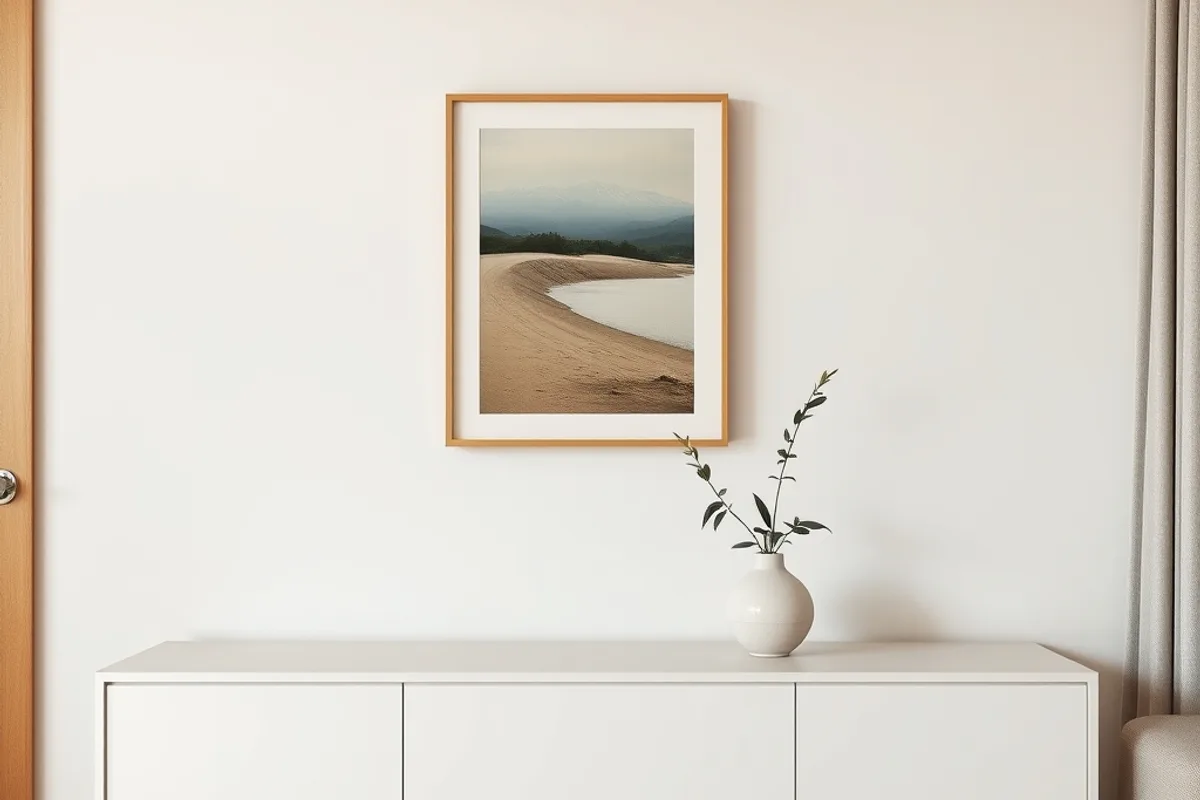
Be honest about what is decorative and what is clutter. A stack of unread magazines is clutter. A single framed print is decoration. Three candles, two vases and a dish of stones are three competing stories. Choose one.
The same rule applies to furniture. A small room with one well-proportioned sofa, one chair and one table feels larger than the same room filled with flexible pieces that are always in the way.
Choose a palette that does the work
A restrained palette is not a beige room. It is a small number of colours used consistently, so that objects do not fight each other. Pick a base for walls and large furniture, one secondary tone for textiles and one accent that appears in a few places.
Light colours reflect more light and make boundaries less obvious, but dark colours can make a small room feel intentional and cosy if the lighting is good. The mistake is a collection of mid-tones that neither recede nor define. Choose contrast, not a muddle.
Repeat the palette vertically as well as horizontally. A pale wall, a mid-tone sofa and a darker rug create a grounded room. A pale wall with pale furniture and a pale floor can feel washed out unless texture provides the contrast.
Use vertical space with restraint
In a small flat, the wall is the largest unused surface. Tall shelving, wall hooks, a slim bookcase and a peg rail add storage without consuming floor area. The key is to keep the top third of the room visually light, so the ceiling still feels high.
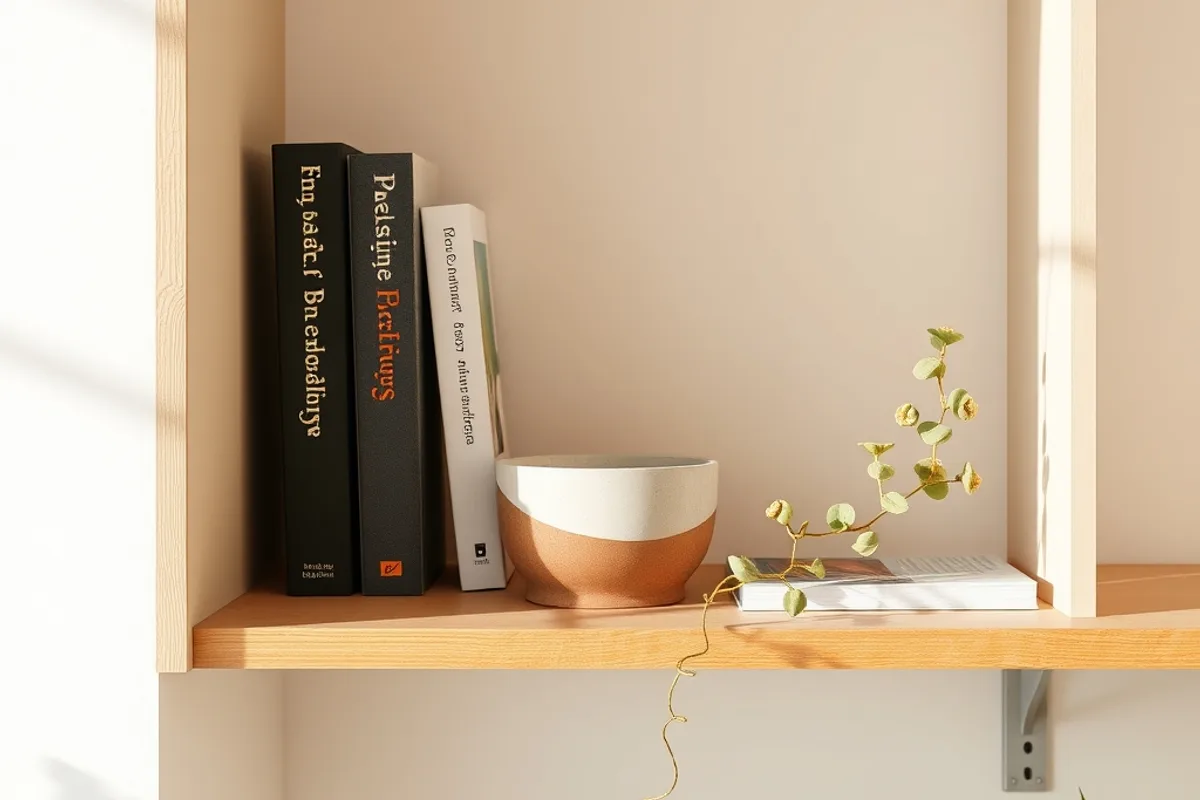
Closed storage looks calmer than open storage. If you use open shelves, treat them as display rather than storage: a few books, one object, a plant, with empty space between. A shelf packed to the edge reads as visual noise.
Hang curtains close to the ceiling and slightly wider than the window. The extra fabric and height make the window look larger and the wall taller. This is one of the few tricks that works in almost every small room.
A small room feels calm when every object has a home and every surface has some empty space.
Make one wall the focal point
A focal point gives the eye somewhere to land, which paradoxically makes a room feel more spacious. It can be a piece of art, a painted wall, a tall plant or a well-lit shelf. What matters is that the other walls stay quiet.
Avoid spreading small decorations evenly across every wall. That creates the visual equivalent of static. Group small frames into one composition, or choose one larger piece instead of five small ones. Scale is more important than quantity.
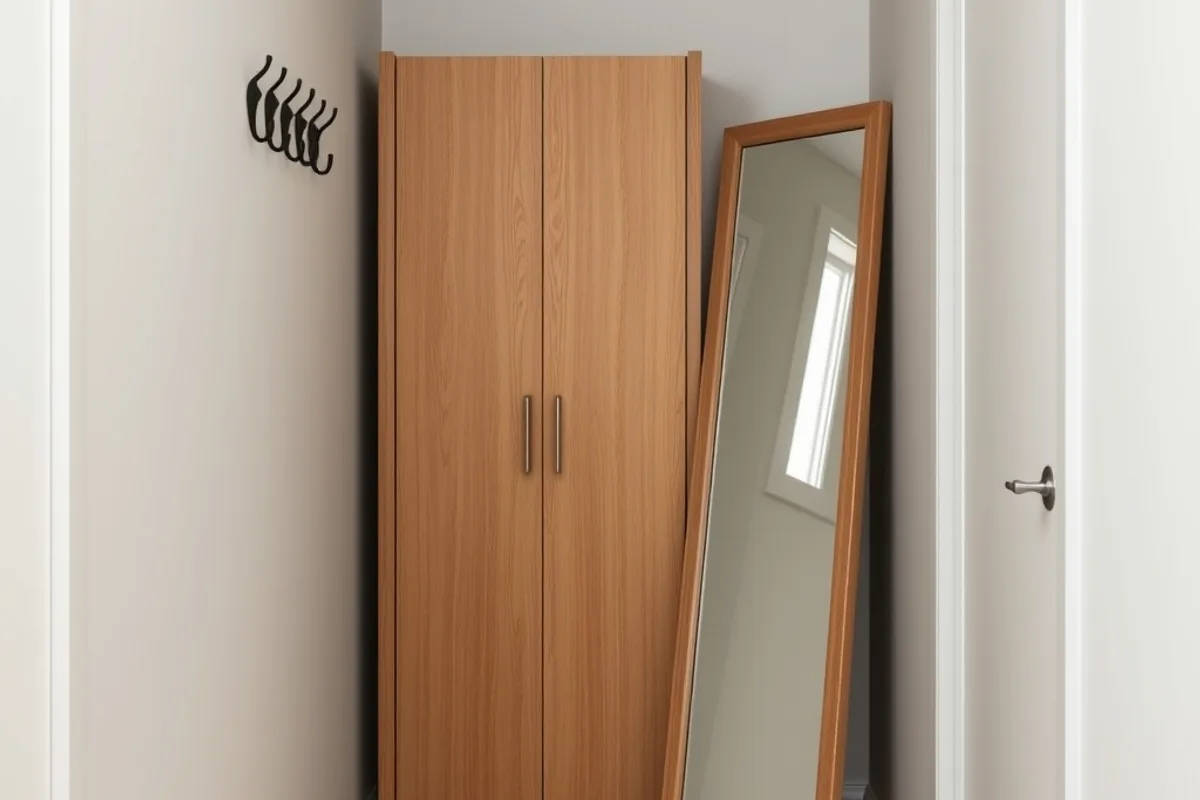
Mirrors can help, but they are not magic. A mirror reflects whatever is opposite it. Place one where it reflects a window, a plant or a well-lit wall, not a pile of laundry or the back of a television.
Let the floor show
Visible floor is a cue for spaciousness. Furniture legs that lift a piece off the floor, a rug that does not cover every centimetre and a clear path from door to window all help. A room crowded with furniture at floor level feels smaller even if the ceiling is high.
Choose a rug that is large enough to sit under the front legs of the sofa and chairs. A tiny rug floating in the middle of a room makes the space look smaller. If the budget is tight, a neutral rug in a generous size is a better investment than a patterned one in the wrong size.
Keep the entrance clear. The first metre inside the door sets the impression for the whole flat. A slim shoe rack, a hook for keys and a clear path are enough.
Texture instead of pattern
When the palette is restrained, texture carries the warmth. Linen, wool, rattan, ceramic, wood and a single metallic accent add depth without adding visual noise. A room with five patterns and no texture feels busy and flat at the same time.
Limit patterns to one or two places, such as cushions or a runner. Keep the large surfaces, the sofa, curtains and rug, relatively plain. This makes the patterned pieces feel deliberate rather than accidental.
Plants are the cheapest way to add life and softness. One large plant in a simple pot is more effective than six small ones on every surface. Choose a species that suits the light in the room and water it on a schedule.
Small-room rules that work
- Clear surfaces first, then decide what deserves to be displayed.
- Limit the palette to a base, a secondary tone and one accent.
- Use vertical storage, but leave the top third of the room light.
- Choose one focal wall and keep the others quiet.
- Keep visible floor and a clear path from door to window.
- Use texture for warmth and pattern sparingly.
The bottom line
A compact apartment does not need clever hacks. It needs editing, a consistent palette and a place for everything. The result is not emptiness; it is a room where the things you chose can be seen.
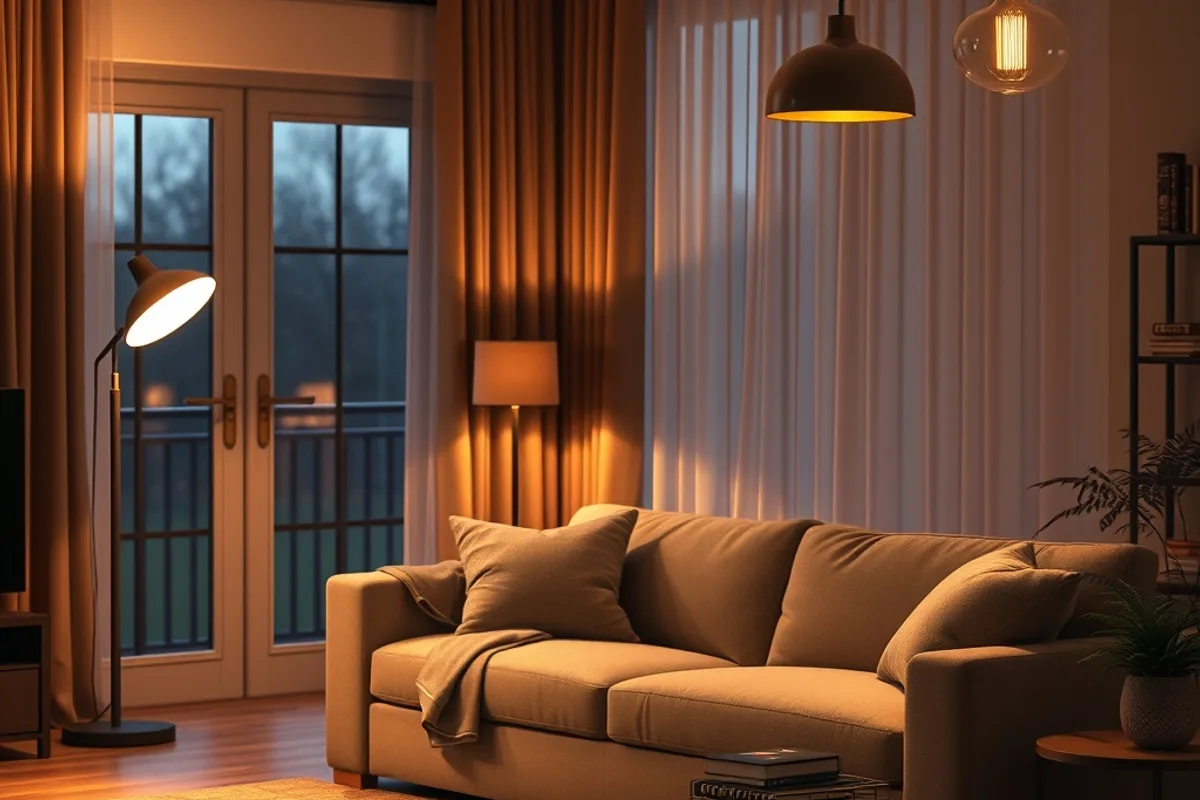
For the lighting half of the same problem, read our guide to layering light in a room.