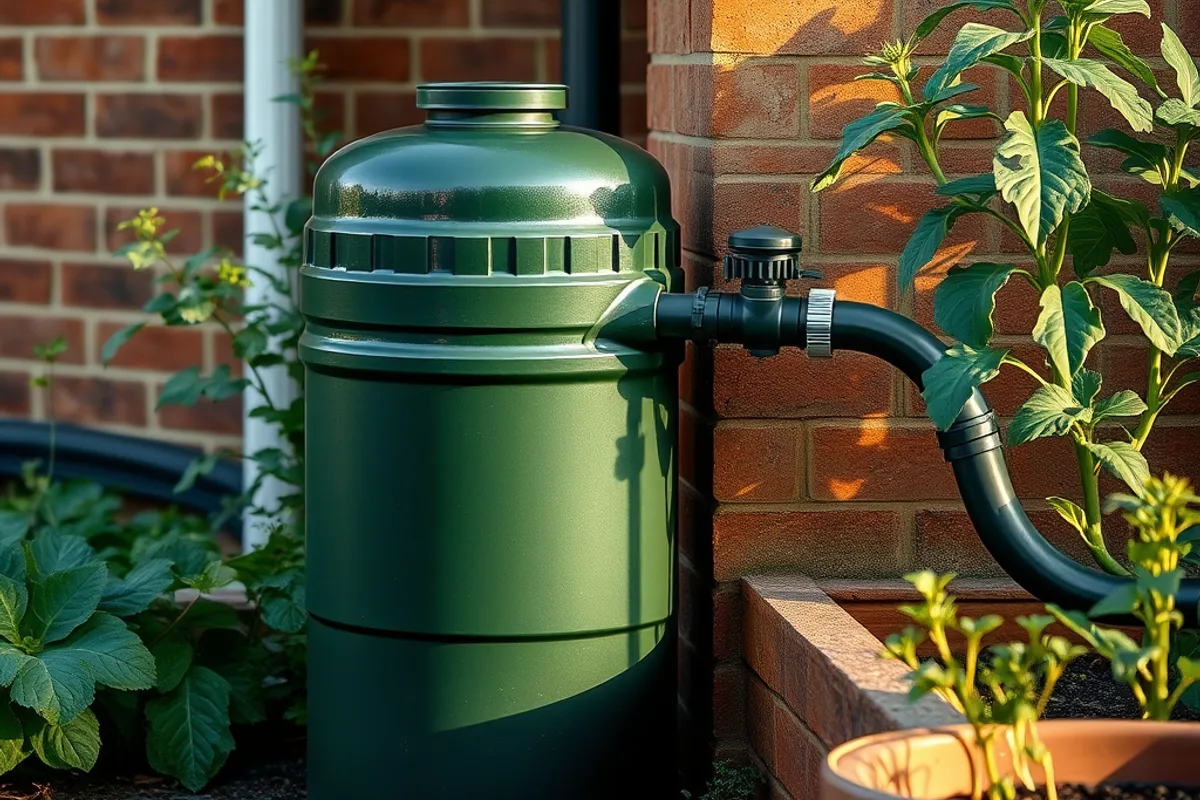
Rainwater harvesting sounds like a whole-house project with tanks, pumps and filters. It can be. It can also be a water butt at the end of a downpipe, costing less than a weekend out and covering most of the garden's summer watering. The simple version is where most people should start.
A roof is a large collection surface. A typical house can capture thousands of litres from a moderate rainfall, most of which currently runs into the drain. Redirecting even a fraction of it reduces mains water use, keeps the garden alive in a dry spell and reduces pressure on storm drains.
The key is to design for safety, overflow and easy maintenance, and to be clear about what the water is for. Untreated rainwater is not drinking water.
Work out what you need
A garden water butt of 100 to 250 litres is enough for containers, beds and small lawns. Larger gardens may need several butts linked together, or a slimline tank against a wall. The right size depends on how much you water and how often it rains.
A rough calculation helps. One millimetre of rain on one square metre of roof yields about one litre. A 50-square-metre roof section in a 10-millimetre shower can collect around 500 litres, minus losses. That is more than most single butts can hold, which is why overflow is essential.
Link two or three butts if space allows. Connected tanks fill together and give a useful buffer between storms. Place them close to the area you water to avoid carrying watering cans across the garden.
Choose a safe position
Water is heavy: a litre weighs a kilogram, so a 250-litre butt weighs a quarter of a tonne when full. It needs a firm, level base that will not sink or tip. A paved patio or a concrete slab is ideal; bare soil is not, even if it looks flat.
Raise the butt on a sturdy stand if you want to fill a watering can or connect a gravity hose. Every 10 centimetres of height adds a little pressure, but gravity-fed systems are slow. A small pump is more practical if you need to use a hose or drip irrigation.
Keep the butt accessible for cleaning and checking, and away from areas where children play unsupervised. Fit a secure lid and a child-proof tap. A water butt that tips or leaks is a hazard, not a sustainability project.
Divert, filter and overflow
A downpipe diverter sends water into the butt and lets the rest continue down the drain when the butt is full. Choose a diverter that matches the downpipe size and fit it at a height that allows the butt to fill by gravity. Do not seal the downpipe completely; the drain must still work in heavy rain.
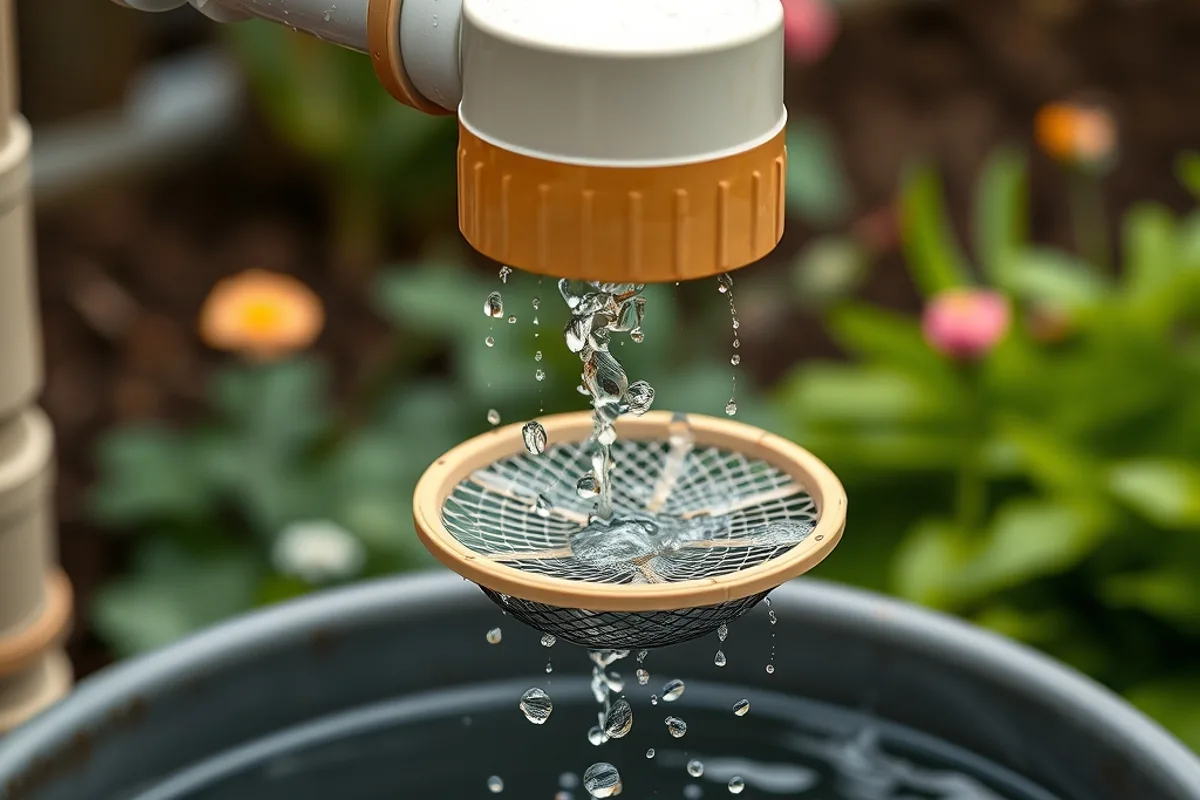
A simple mesh filter or a leaf guard at the inlet keeps debris out. Clean it monthly during autumn, when leaves are the main problem. A first-flush diverter, which discards the first few litres from each rainfall, keeps dirt and bird droppings out of the tank but adds complexity.
The overflow is not optional. Connect it to a soakaway, a garden bed or a drain, and make sure it slopes away from the house. An overflowing butt beside a wall can cause damp and undermine the base. This is the detail most starter guides omit.
Rainwater harvesting is not complicated. It is a pipe, a tank and an overflow that goes somewhere sensible.
What the water is safe for
Untreated rainwater is suitable for watering ornamental plants, flushing toilets with a proper system, washing paths and cars, and some outdoor cleaning. It is not drinking water and should not be used for cooking, drinking or brushing teeth without full treatment and testing.
For edible gardens, water the soil rather than the leaves, and wash produce before eating. Root vegetables are lower risk than leafy salads. If someone in the household is immunocompromised, use mains water for edible crops or install a proper filtration and disinfection system.
Never connect a garden butt directly to the mains supply without a compliant backflow prevention device. A cross-connection can contaminate drinking water, and it is usually illegal without the right fittings.

Maintenance that keeps it working
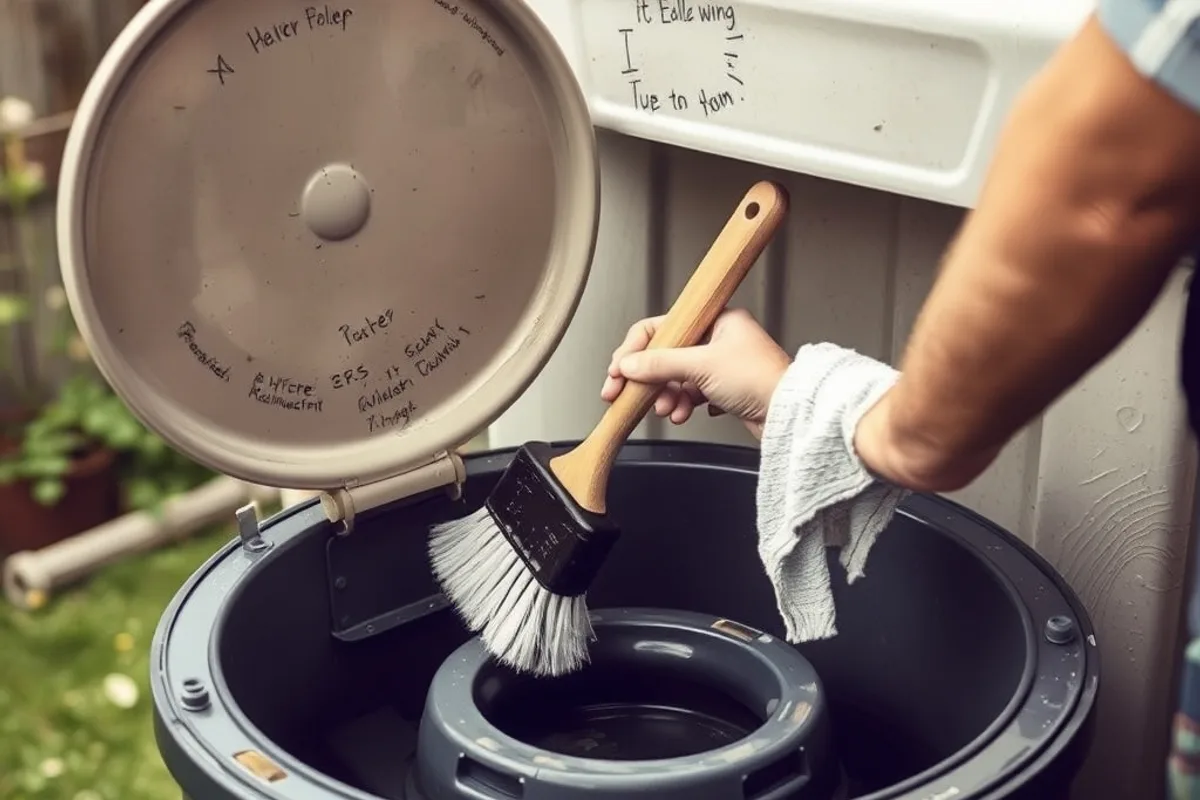
Empty and clean the butt once a year, preferably in early spring before the watering season. Rinse out sediment, check the tap and seals, and clear the inlet filter. If the water smells or looks cloudy, clean the tank and check that the lid is sealing properly.
In winter, drain the system if there is a risk of freezing. A full butt that freezes can crack, and a split tank is expensive to replace. Disconnect the diverter or leave the tap open during a hard freeze, depending on the design.
Check the base and fixings annually. A butt that has settled or shifted needs attention before it fails. Look for algae in clear tanks; a dark or opaque tank reduces light and limits growth.
When to scale up
If the garden is large or the goal is to supply toilets or a washing machine, a plumber and a properly sized tank are needed. These systems require filtration, a pump, mains backup and a backflow prevention arrangement. They can be worthwhile in a new build or a major renovation, but they are not a weekend DIY job.
Start small, measure how much water you actually use and how often the butt runs dry. That experience will tell you whether a larger tank is worth the cost. Most households discover that two linked butts and a mulch habit cover the garden comfortably.
For the broader efficiency picture, read our guide to where the money goes in a home energy retrofit.
Starter system essentials
- One downpipe diverter matched to the pipe size.
- A level, load-bearing base for a full tank.
- 100 to 250 litres per butt, linked if space allows.
- A mesh inlet filter and a secure, child-proof lid.
- An overflow that drains away from the house.
- Annual cleaning and winter freeze protection.
The bottom line
Rainwater harvesting starts with one downpipe and one well-placed butt. Get the base, the overflow and the lid right, and the system will quietly fill itself for years. The garden gets free water, and the drain gets a little less to carry.