The deposit is the most argued-about money in renting. Tenants worry it will be withheld for wear that was already there. Landlords worry it will not cover real damage. Both worries come from the same gap: nobody wrote down the condition of the property at the start.
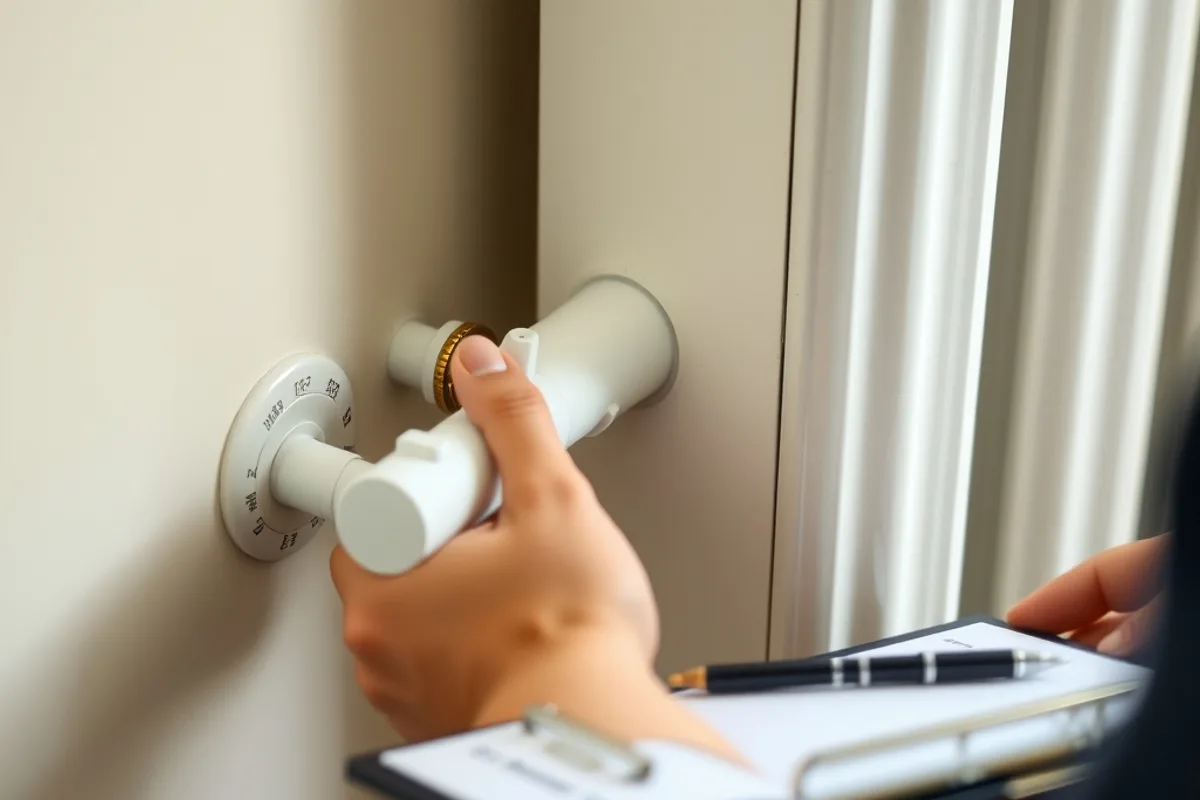
A move-in inspection closes that gap. It is not a confrontation and it does not require a professional inventory clerk, although one can help on a large or high-value property. It requires a checklist, a camera, an hour of patience and a signature from both sides.
Done well, it protects the tenant from paying for someone else's damage and protects the landlord from absorbing damage that happened during the tenancy. It also creates a shared reference point for the whole tenancy, which makes every later conversation easier.
Do it before the boxes arrive
Schedule the inspection on the day the keys are handed over, before furniture and belongings fill the rooms. Empty rooms photograph clearly, and every mark is visible. If the tenant cannot attend, agree a date within the first few days and note that the property was empty when you recorded it.
Allow at least an hour for a one-bedroom flat and two for a house. Rushing produces blurred photos and missed corners. Bring a printed checklist, a charged phone or camera, a torch and a pen. If the property is furnished, list every item and its condition.
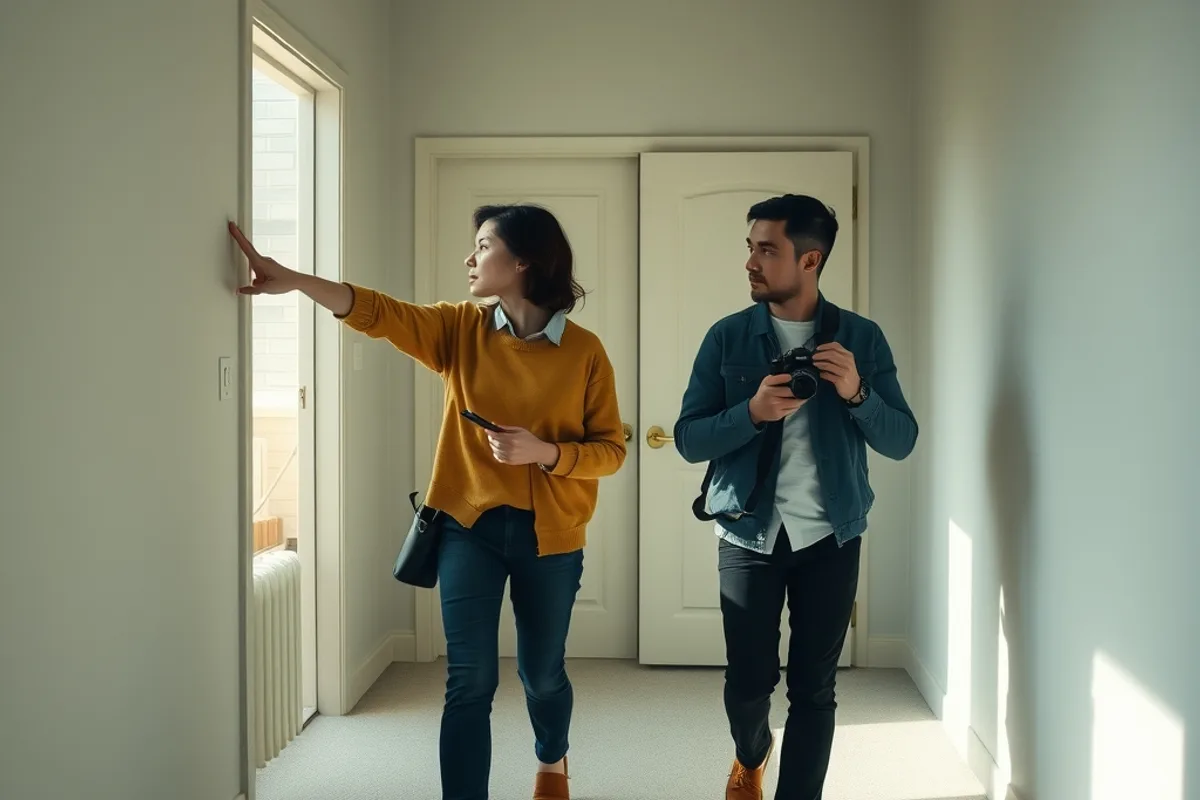
The tenant should be present for the whole walk-through. Their agreement is what gives the record weight. If they spot something you missed, note it. That is not a failure of the inspection; it is the inspection working.
Photograph in a fixed order
Work through the property in the same sequence every time: front door, hallway, each room clockwise, kitchen, bathroom, storage, outdoor space, meters. Take a wide shot of each room and then close-ups of anything that is damaged, stained, cracked or missing.
Include a reference for scale and date. A coin or a ruler next to a scratch helps, and most phones embed the date in the file. Name the files by room so you can find them later. A folder of 200 images called IMG_2043 is not a record; a folder organised by room is.
Photograph the meters, the smoke alarms, the boiler display and any appliance serial numbers. These details settle questions about utility bills and warranty claims months later. Also photograph the inside of cupboards, the oven, the fridge and the shower seal, because those are the places where condition is most often disputed.
Write condition, not opinion
A useful note describes what you see and where: "small chip in the enamel, front left of the bath, approximately 2 cm" is evidence. "Bathroom worn" is an opinion that helps nobody. Use the same plain language for every item and avoid words like "clean" or "damaged" without a description.
Record normal wear separately from damage. Faded paint behind a picture, minor scuffs near a door handle and a slightly stiff window are wear. A burn mark on a worktop, a broken tile or a torn blind are damage. The distinction matters at check-out, and it is much easier to make when the baseline is fresh.
Note anything that does not work, even if it is minor. A dripping tap, a loose handle or a window that sticks should be repaired before the tenancy starts or recorded as existing. Either way, the tenant should not be charged for it later.
The inspection is not there to catch anyone. It is there so that neither side has to rely on memory at the end.
Test the systems, not just the surfaces
Run the taps and shower, flush the toilets, turn the heating on and off, and check that the boiler responds. Open and close every window and door. Test the smoke and carbon monoxide alarms with the test button. Switch on every light and appliance, including the extractor fan.
Ask the tenant to repeat the tests in your presence. A tenant who has seen the boiler work is less likely to report a mysterious fault on the first cold night. Show them where the stopcock, fuse board and meters are, and write the locations on the checklist.
If something fails during the inspection, repair it before the tenancy begins or record a clear date for the repair. Do not leave a verbal promise. A dated note with a completion date is fair to everyone.
Sign, date and share the record
The completed checklist should be signed and dated by both parties, with a line for comments. Photographs should be shared the same day by email or a cloud link, not kept only on the landlord's phone. The tenant should keep a copy for the whole tenancy.
If the tenant disagrees with a note, record their comment rather than deleting the item. "Tenant states scratch was present at viewing" is a useful sentence. It shows the process was fair and gives a later adjudicator the full picture.
Store the record with the lease, the deposit paperwork and the safety certificates. If the tenancy lasts several years, add a short mid-term review. Properties change, and a two-year-old inspection is better than nothing but not as good as a recent one.
Use the same method at check-out
At the end of the tenancy, repeat the inspection before cleaning or repairs begin. Compare like with like: the same rooms, the same angles and the same list. This is where the move-in record pays for itself, because the conversation becomes a comparison rather than an accusation.
Agree deductions in writing, with a receipt or quote for any work. Deposit rules differ by jurisdiction, so follow the local scheme's process and deadlines. The principle is universal: deduct for damage beyond fair wear, not for the ordinary life of a home.
A tenant who leaves a property in good order should get the deposit back quickly and without a fight. That outcome is designed on move-in day, not negotiated at move-out.
What to record at move-in
- Dated wide and close-up photos of every room, empty.
- Condition notes that describe size and location, not opinions.
- Meter readings, alarm tests and boiler operation.
- Inventory of furniture, keys and any appliance serial numbers.
- Existing damage, wear and outstanding repairs with dates.
- Signatures and comments from both parties, shared the same day.
The bottom line
Nine out of ten deposit disputes are really disputes about the starting point. A careful move-in inspection takes an hour and removes most of the uncertainty. It is the cheapest insurance in renting, and it costs nothing but attention.
For the landlord's wider process, read our guide to running a rental property as a small business.