A home energy retrofit is easy to sell and hard to sequence. The adverts promise lower bills and a warmer house; the quotes arrive with unfamiliar units, overlapping recommendations and payback periods that depend on assumptions nobody explains. Homeowners often start with the most visible upgrade, such as solar panels, and discover later that the heat still escapes through the roof.
The better approach is to treat the house as a system. Reduce demand first, then improve efficiency, then generate energy. Each step makes the next one cheaper and more effective. The order matters more than the brand of any single product.
These figures are indicative and vary by climate, energy price and house type. Use them to compare options, then get a site-specific assessment before committing.
Step one: stop the obvious losses
Draughts are the cheapest problem to fix and the easiest to underestimate. A cold draught around a door or a window can make a room feel several degrees cooler than it is. Draught strips, brush seals, chimney balloons and simple caulking cost little and can be done in a weekend.
Loft insulation is usually the next best return. If the loft is accessible and the joists are exposed, topping up to 270 millimetres or more is a straightforward job. The payback is often measured in a few years, and it makes the whole house easier to heat.
Check the cavity or solid wall situation before assuming insulation is impossible. Solid walls can be insulated internally or externally, but the work is expensive and disruptive. Get a specialist assessment rather than a generic quote.

Step two: air-tightness and ventilation together
A house needs to breathe, but it should not leak. Air-tightness improvements reduce uncontrolled draughts, while ventilation ensures moisture and pollutants are removed. Doing one without the other creates either a cold house or a damp one.
Extractor fans in kitchens and bathrooms, trickle vents on windows and, in a deep retrofit, a mechanical ventilation system with heat recovery are the usual solutions. A heat recovery system is expensive and best installed during a major renovation, but it can make a well-insulated house comfortable and healthy.
Watch for condensation after sealing a house. If windows stream with water in winter, ventilation is inadequate. Fix it before mould appears; remedial work is far more expensive than a better fan.
Step three: upgrade the heating
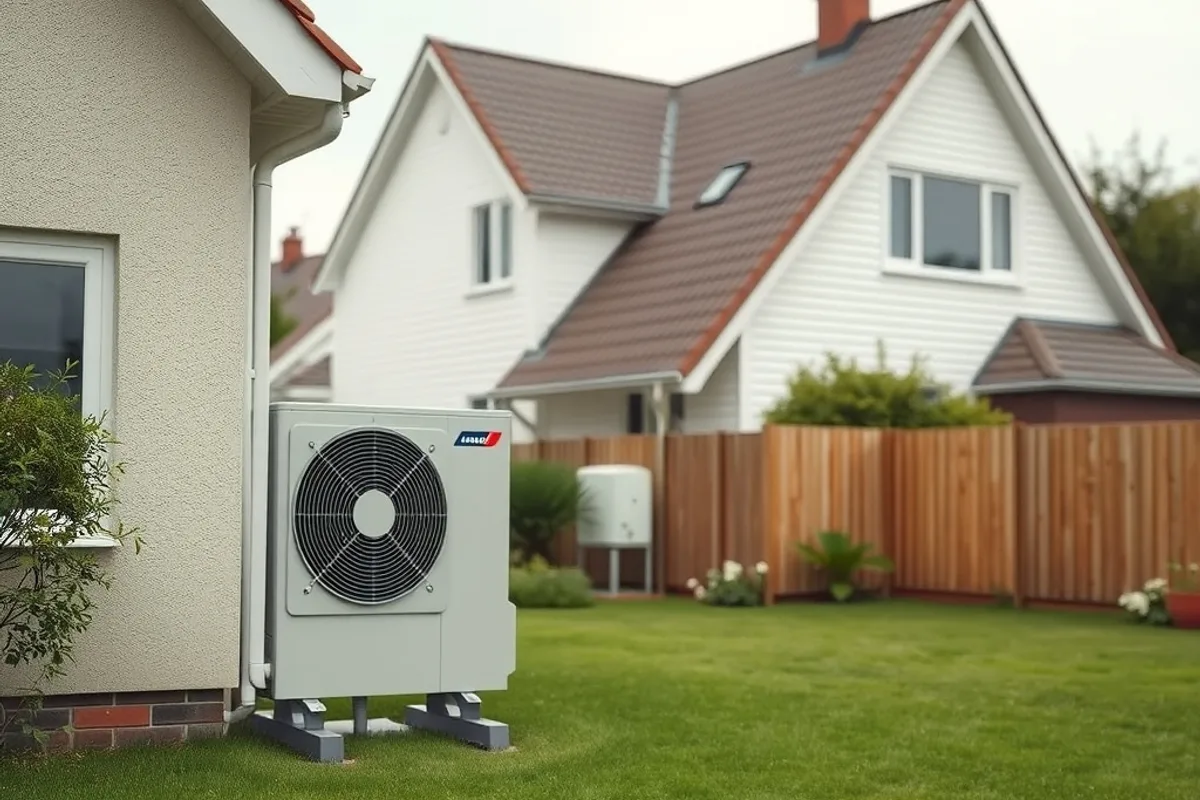
Heating accounts for most household energy use in a cool climate. The right choice depends on the house, the existing system and the local energy supply. A heat pump is efficient, but it works best in a well-insulated, air-tight house with appropriately sized radiators or underfloor heating.
Do not replace a working boiler with a heat pump before reducing demand. A leaky house will need a larger, more expensive heat pump and will still be uncomfortable. Insulate first, then size the system properly.
If a boiler remains, a modern condensing unit with weather compensation and smart controls can cut waste. Set the flow temperature as low as the house allows and keep the thermostat steady rather than turning it up and down.
The cheapest unit of energy is the one you never need. Insulation is not a compromise on comfort; it is the foundation of it.
Step four: windows and doors
Glazing is the weakest part of most walls. Double glazing helps, and triple glazing helps more, but the payback is often long compared with loft insulation. Replace windows when they are due for replacement anyway, not solely for the energy saving.
If replacement is not an option, secondary glazing and heavy curtains reduce heat loss and noise at modest cost. Seal gaps around frames and fit draught-proofing to opening sections. These measures are less glamorous and often more cost-effective.
For south-facing glazing, solar gain can be a benefit in winter and a problem in summer. External shading, blinds or a deciduous tree can control overheating without blocking winter sun.

Step five: generate energy last
Solar panels are a good investment when the roof is suitable, the house is efficient and the electricity can be used or exported at a fair rate. They are a poor first step if the roof is shaded, the house is draughty or the budget would be better spent on insulation.
Size the array to the daytime load, not to the maximum the roof can hold. A smaller array that is mostly self-consumed can pay back faster than a larger one that exports at a low rate. A battery improves self-consumption but adds cost and should be justified separately.
Check the roof age before installing panels. Removing and reinstalling an array to replace a roof is expensive. If the roof is near the end of its life, replace it first.
How to read a payback estimate
A payback period is a simple calculation: cost divided by annual saving. The uncertainty is in the saving. Energy prices change, the house is used differently from the model and the installation may not perform exactly as promised.
Ask for the assumptions in writing: the energy price used, the expected lifespan, the maintenance cost and whether any grant is included. A quote that assumes a high future energy price will show a shorter payback than one that uses today's price. Compare quotes on the same assumptions.
Also consider comfort and resilience, which do not appear in a payback calculation. A warmer house, less mould and lower exposure to price spikes have value even when the arithmetic is modest.
The sensible retrofit order
- Seal draughts and top up loft insulation first.
- Improve air-tightness and ventilation together.
- Upgrade heating only after demand is reduced.
- Replace windows when they are due, not as a first move.
- Add solar after the house is efficient and the roof is sound.
- Compare quotes using identical assumptions and current prices.
The bottom line
Retrofit is a sequence, not a shopping list. The cheap, unglamorous work comes first and makes everything else work better. Start with the loft and the draughts, measure the result, and let the evidence guide the next step.
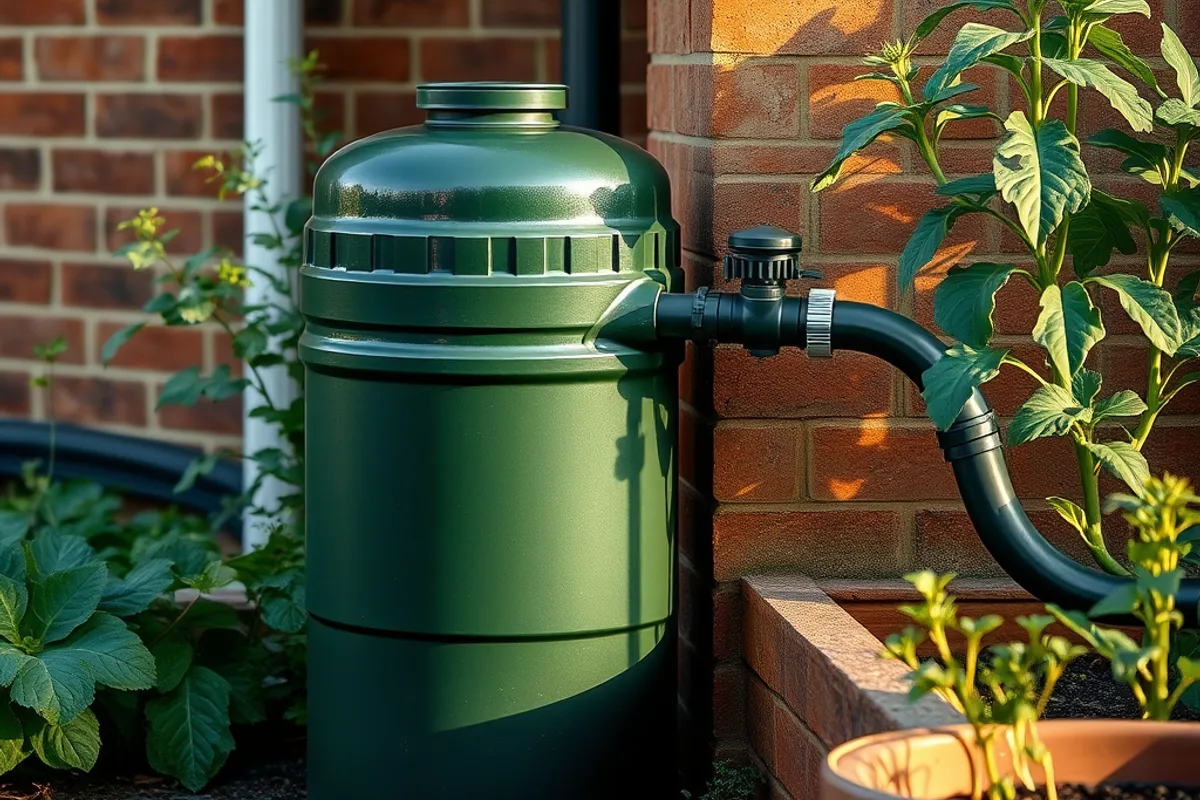
For a water-saving project that fits the same mindset, read our guide to rainwater harvesting at home.