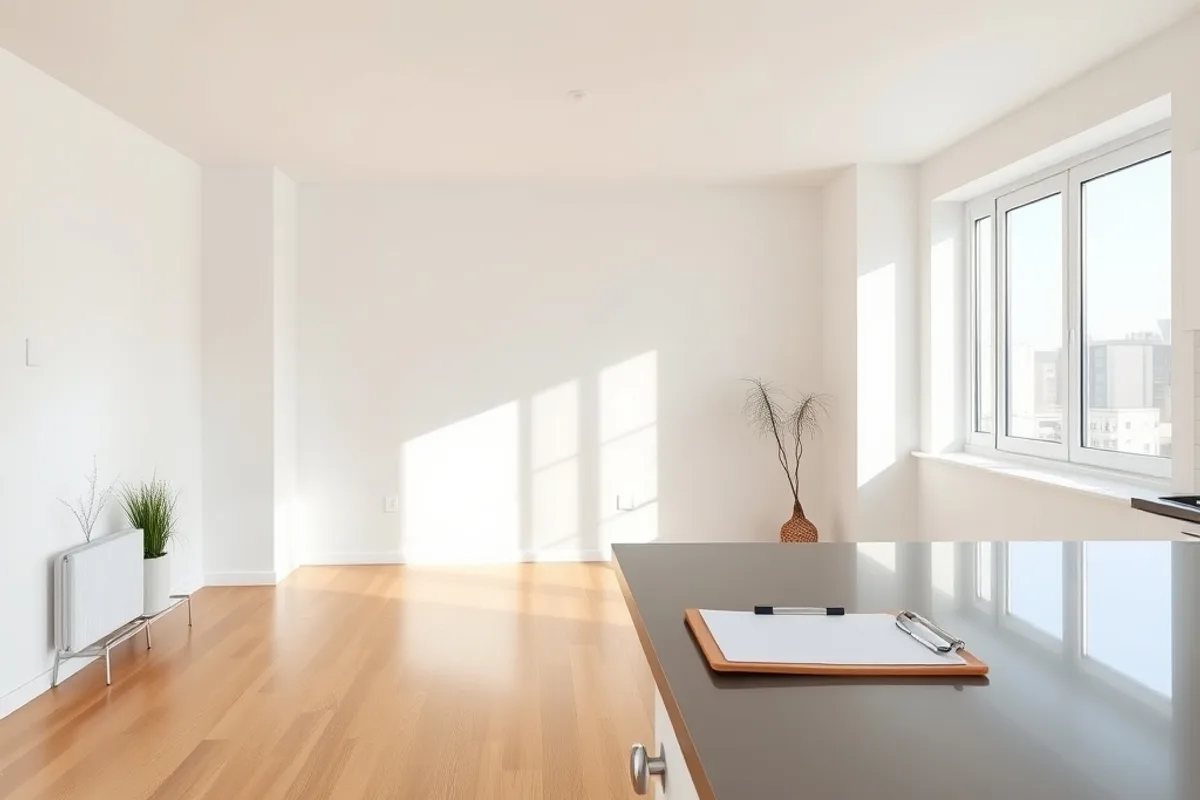
You can change the paint, the sofa and the rug and still find that a room feels flat. The missing ingredient is usually light. A single ceiling fitting throws even brightness in every direction, erasing the shadows that give a space depth and making even good furniture look like a showroom.
Layered lighting is the fix, and it is less about buying a designer lamp than about deciding what each light is for. A room needs a general glow, focused light where tasks happen and a little light on the surfaces you want to notice. Three layers, used together, do more than any single statement piece.
This is also one of the few upgrades that can be done gradually. Start with the bulb you already own, then add one lamp, then one more. The room improves at every step.
The three layers, in plain terms
Ambient light is the base: it lets you move around safely and fills the room. Task light is directional and brighter, placed where you read, cook, work or put on shoes. Accent light is decorative and low, used to graze a wall, highlight a plant or make a corner feel intentional.
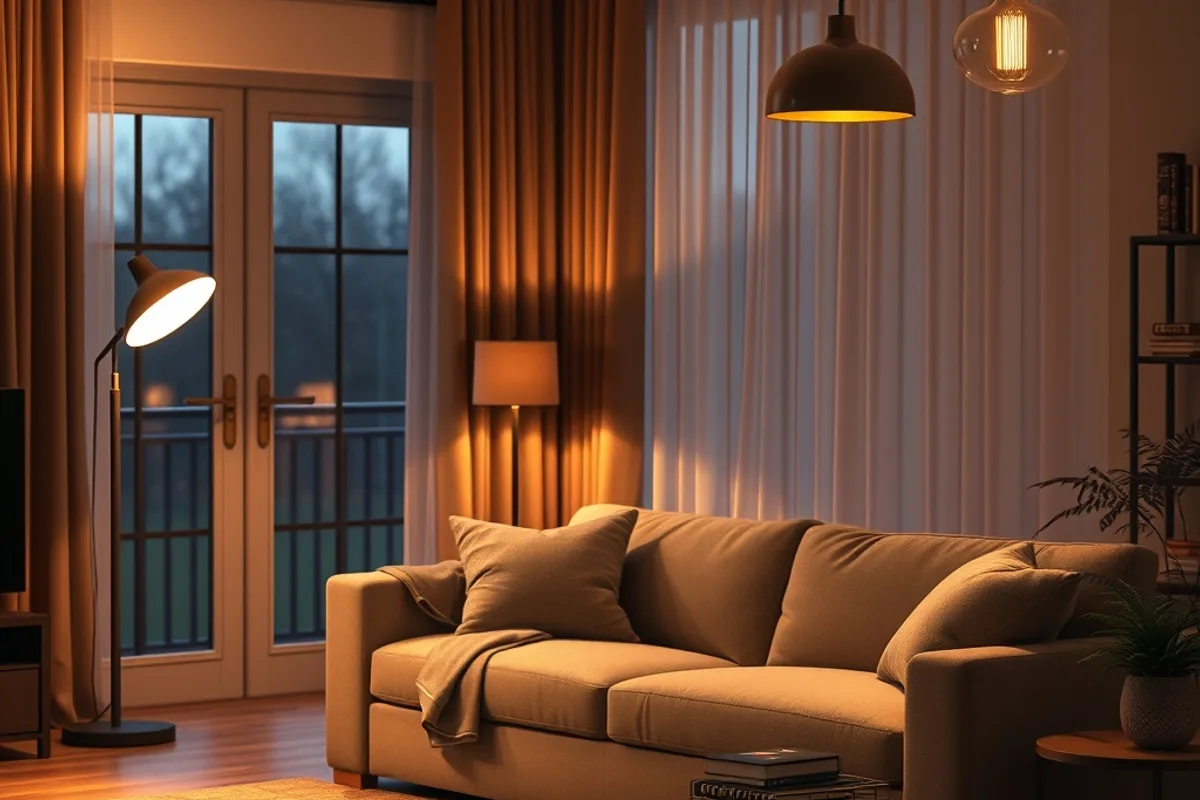
Most homes have only the ambient layer, and often too much of it. The goal is not to remove the ceiling light but to stop relying on it alone. If a room has three or four small sources at different heights, the ceiling light can become optional.
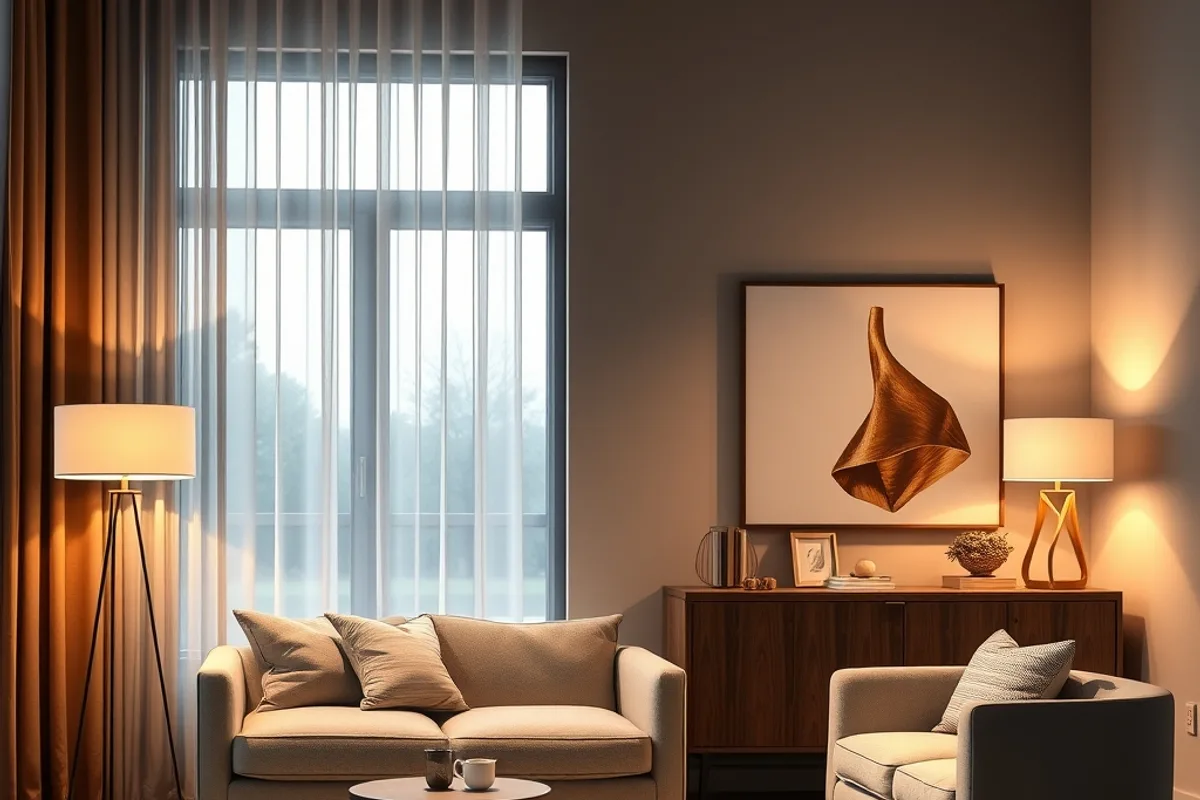
Think in terms of height as well as function. Light at eye level feels sociable, light above head height feels general, and light below waist height feels calm. A room with all three is comfortable without being bright.
Get the colour temperature right
The warmth of a bulb is measured in kelvin. Around 2700K is warm and close to traditional domestic light. 3000K is slightly cooler and cleaner. 4000K and above reads as office or clinical in a home, especially in the evening.
Mixing temperatures in one room is the most common mistake. A warm table lamp next to a cool ceiling bulb makes both look wrong. Choose one temperature for the room, usually 2700K in living spaces and 3000K in kitchens and bathrooms, and keep it consistent.
Also check the colour rendering index, or CRI. A bulb with a high CRI makes wood, fabric and skin look natural. Cheap bulbs with a low CRI can make a well-decorated room look slightly grey. For a small extra cost, it is worth choosing 90 CRI or higher.
Dimming is the real upgrade
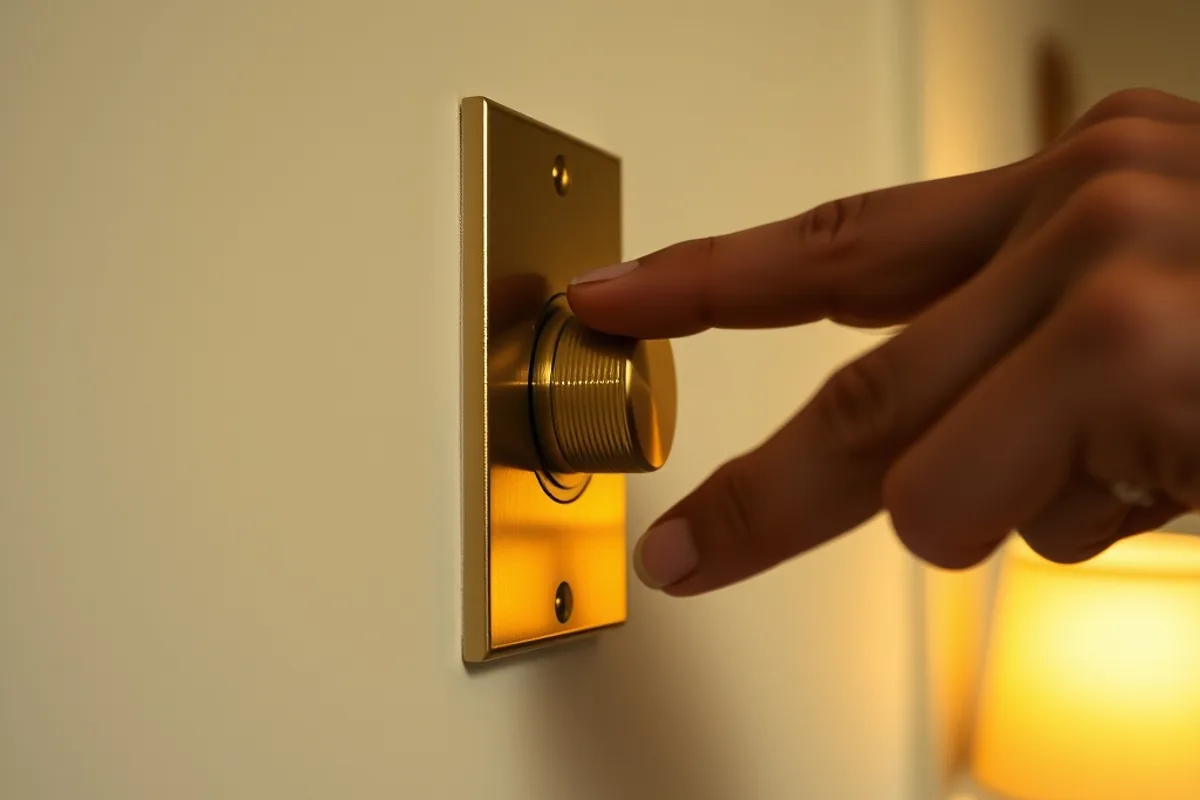
A dimmer does more for atmosphere than a new shade. It lets the same fitting move from bright for cleaning to low for conversation. The catch is compatibility: not every LED dims smoothly, and not every dimmer works with every bulb.
Check that the bulb is marked dimmable and that the dimmer is rated for LED loads. If a dimmer buzzes or the light flickers at low levels, the pairing is wrong. A trailing-edge dimmer and a quality dimmable bulb usually solve it.
Smart bulbs offer another route, but they are best used as a supplement rather than the whole system. A physical wall switch that works when the network is down is still the most reliable interface in a home.
Good lighting is not brighter. It is more specific: the right amount of light in the right place, at the right height.
A room-by-room plan
In a living room, keep the ceiling light for cleaning and add a floor lamp beside the sofa, a table lamp on a sideboard and a small accent light near a plant or artwork. Put the reading lamp on the side of your writing hand so the page is lit, not your shoulder.
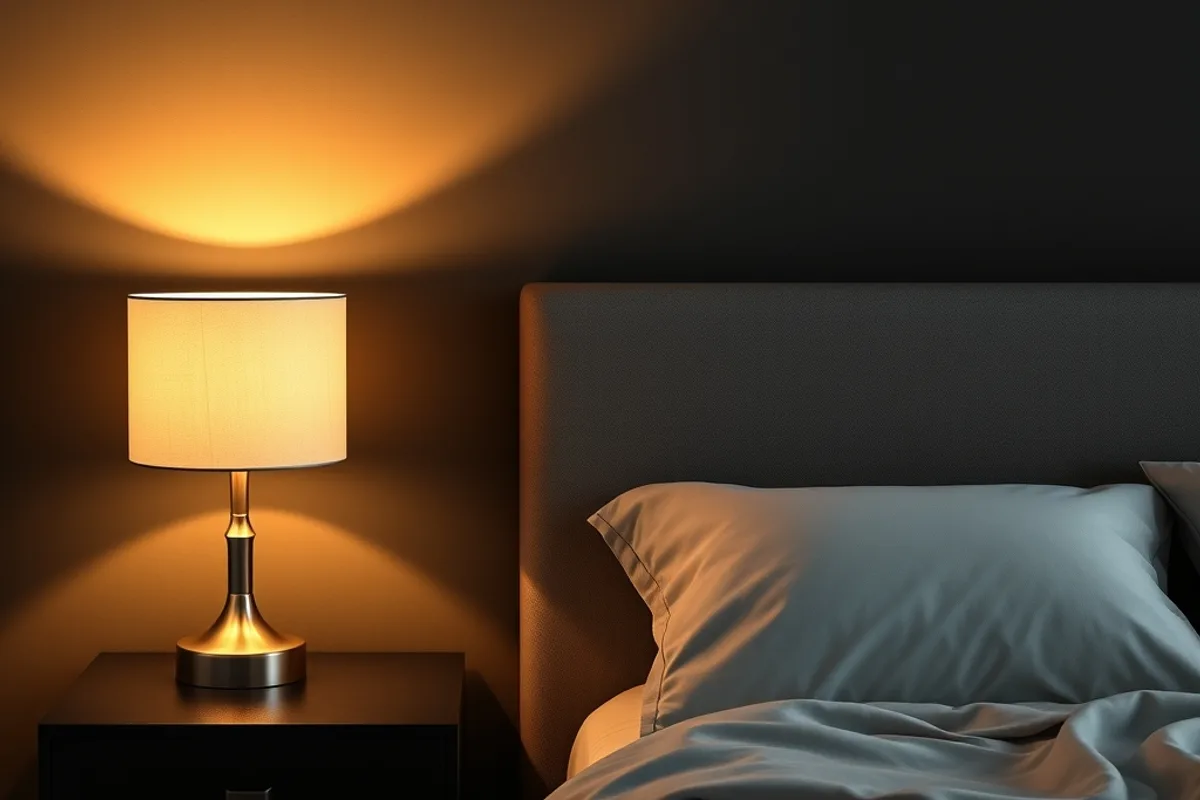
In a bedroom, avoid a single bright downlight above the bed. Use two wall or bedside lamps for reading, a low ambient source and a dimmer. If the ceiling light must stay, choose a diffused shade so the light is soft rather than a direct beam.
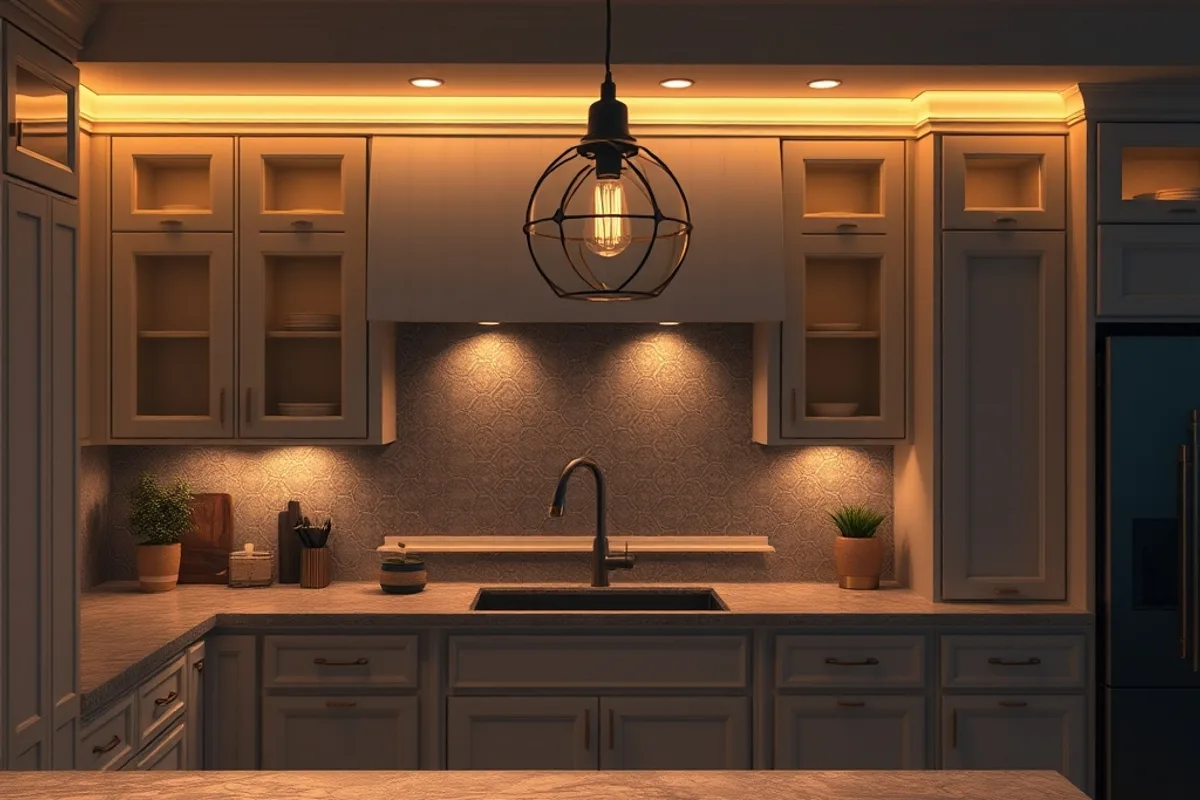
In a kitchen, layer under-cabinet task light with a general ceiling source and a pendant over a table or island. Under-cabinet strips are inexpensive and make worktops safer. In a hallway, a low wall light or two is friendlier than one bright ceiling fitting.
Shades, direction and glare
A bare bulb is a glare source. A shade softens it and directs the light. For table lamps, a shade that sits at eye level when you are seated prevents the bulb from shining in your face. For floor lamps, an upward-facing shade washes the ceiling and creates a gentle indirect glow.
Position lights so that you see the effect, not the source. A lamp behind a chair, a wall light that grazes a surface or a pendant hung slightly lower over a table all hide the bulb while lighting the room. This single habit makes a space feel calmer.
Watch reflections on televisions and computer screens. A lamp placed opposite a screen will show up in it. Move the source to the side, or use a shade with a wider spread, and the problem usually disappears.
What to buy first
Start with one good floor lamp and one dimmable bulb for the main ceiling fitting. Then add a table lamp in the corner that feels darkest. Take a photograph of the room in the evening before and after; the difference is easier to judge in a photo than in the middle of a shopping decision.
Do not buy a matching set of lamps all at once. Layering works because the sources differ in height, size and purpose. A room with five identical lamps is still one layer repeated. Variety is the point.
If you are furnishing a compact room, read our guide to decorating a small apartment without clutter. Lighting and storage solve many of the same problems.
A simple lighting kit
- One dimmable ambient source per room, diffused rather than bare.
- One task lamp where you read or work, positioned on the correct side.
- One low accent source to graze a wall, plant or artwork.
- 2700K to 3000K throughout, with 90 CRI or higher.
- Dimmable bulbs paired with a compatible dimmer.
- Shades that hide the bulb at seated eye level.
The bottom line
Layered lighting changes a room because it changes how the room is used. Bright overhead light is for tasks and cleaning. Lower, warmer, more specific light is for living. Add one layer at a time, and the room will tell you what it needs next.