A dry summer exposes every weakness in a garden. Lawns turn straw, pots wilt by noon and the hose becomes a daily obligation. The usual response is to water more. The better response is to build a garden that needs less, and to do it before the heat arrives.
Low-water gardening has an image problem. It is associated with gravel, spiky plants and a colour palette of beige. In practice, a water-wise garden can be green, flower-rich and comfortable to sit in. The difference is that it is designed around how water behaves in the soil rather than around a weekly sprinkler schedule.
The work happens in three stages: improve the soil, choose plants that suit the climate, and water efficiently. Everything else is maintenance.
Fix the soil before choosing plants
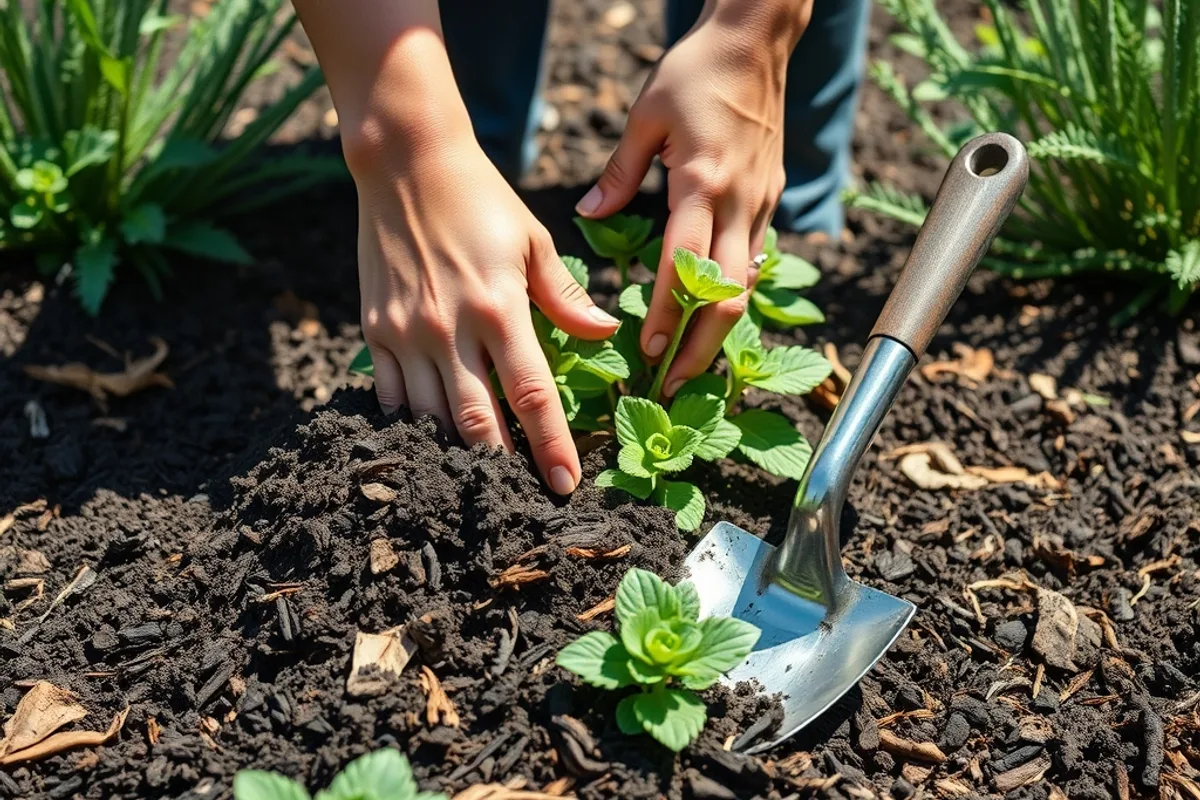
Soil is the reservoir. Sandy soil drains fast and holds little; heavy clay holds water but can drown roots. Most garden soils are somewhere between, and most benefit from organic matter. Compost improves both extremes: it helps sand retain moisture and helps clay drain.
Spread a 5 to 8 centimetre layer of well-rotted compost over the beds and work it into the top 20 centimetres, or let worms do the work on the surface. Do this in autumn, when the soil is warm and moist. One good incorporation is worth more than repeated light sprinklings.
Mulch after planting. A 7 to 10 centimetre layer of bark, leaf mould or gravel reduces evaporation, suppresses weeds and keeps the soil temperature steadier. Keep mulch away from stems and trunks to avoid rot. This single step can cut watering by a third or more.
Choose plants for the climate, not the catalogue
The most water-efficient plant is one that already belongs in your climate. Look at nearby gardens, parks and wild spaces that thrive without irrigation. Local natives and Mediterranean-climate plants are usually the safest starting point, because they have evolved for the local rainfall pattern.
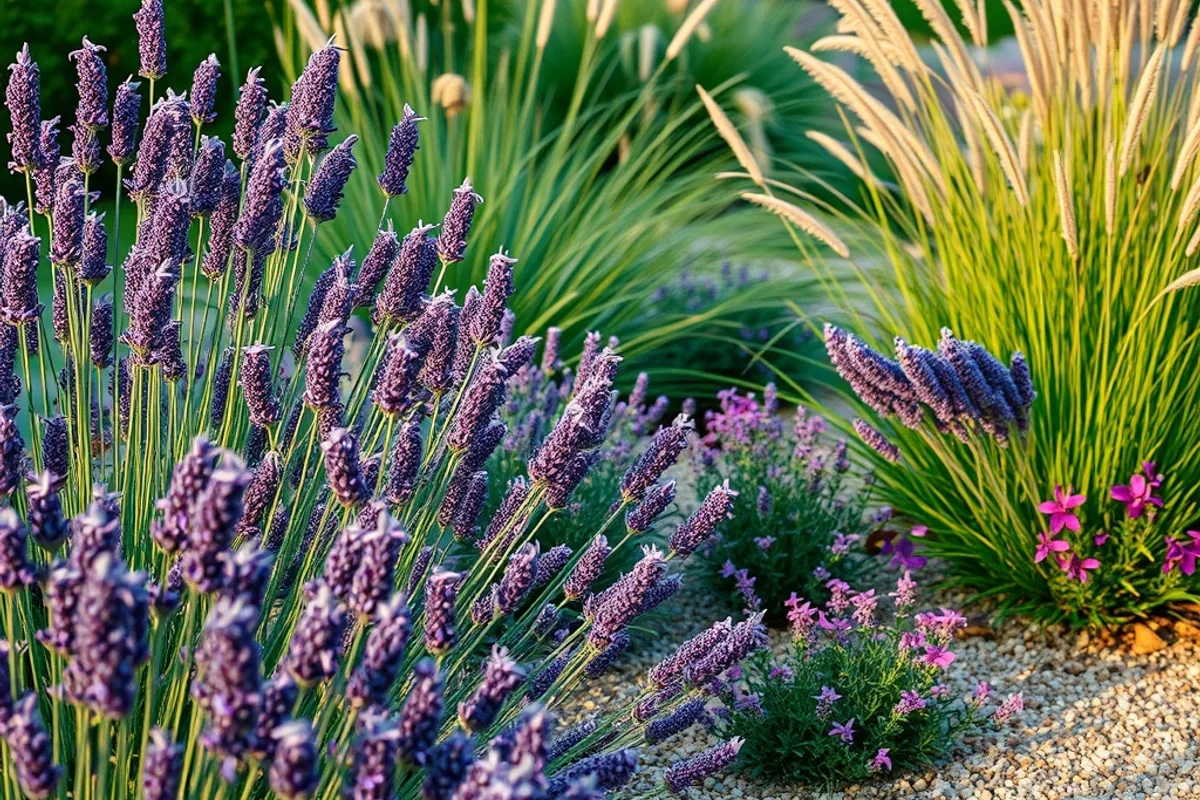
Group plants by water need rather than spreading them evenly. A bed of lavender, rosemary, salvias and ornamental grasses can be watered deeply once a week in establishment and rarely after that. A separate bed for vegetables and thirstier flowers can be watered more often without wasting water on the whole garden.
Plant in autumn or early spring so roots establish before summer. New plants need regular water for the first year or two, even if they are drought-tolerant once mature. This is the period most gardeners underestimate, and it is why some drought-tolerant plantings fail in their first summer.
Water deeply and less often
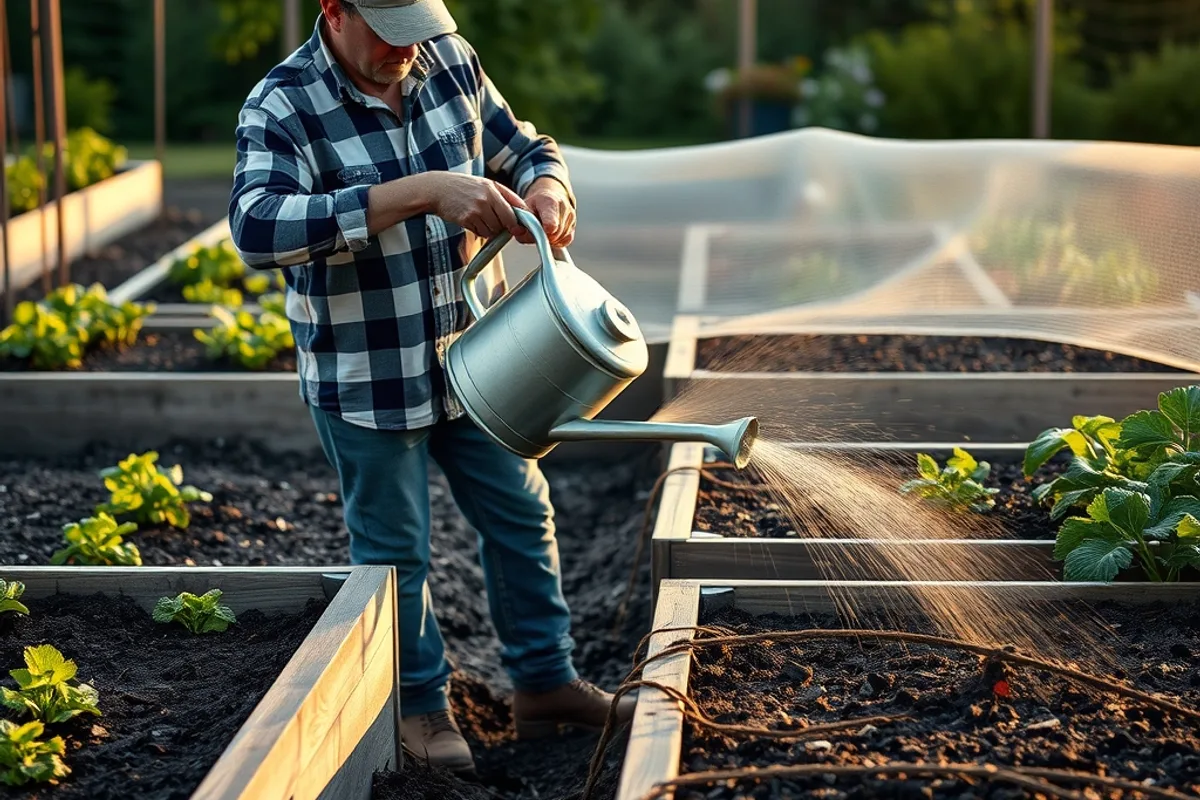
Shallow daily watering encourages shallow roots. Deep, infrequent watering encourages roots to go down, where the soil stays cool and moist. For established beds, a thorough soak every seven to ten days in dry weather is usually better than a light sprinkle every evening.
Water early in the morning, before the heat, so foliage dries during the day. Evening watering can leave leaves wet overnight and encourage fungal disease. Water at the base of the plant, not over the flowers.
Check moisture with a finger or a trowel before watering. If the soil is damp 5 centimetres down, wait. A moisture meter is inexpensive and removes the guesswork, especially in pots.
The aim is not to water less this week. It is to grow roots that need less water next year.
Irrigation that targets roots
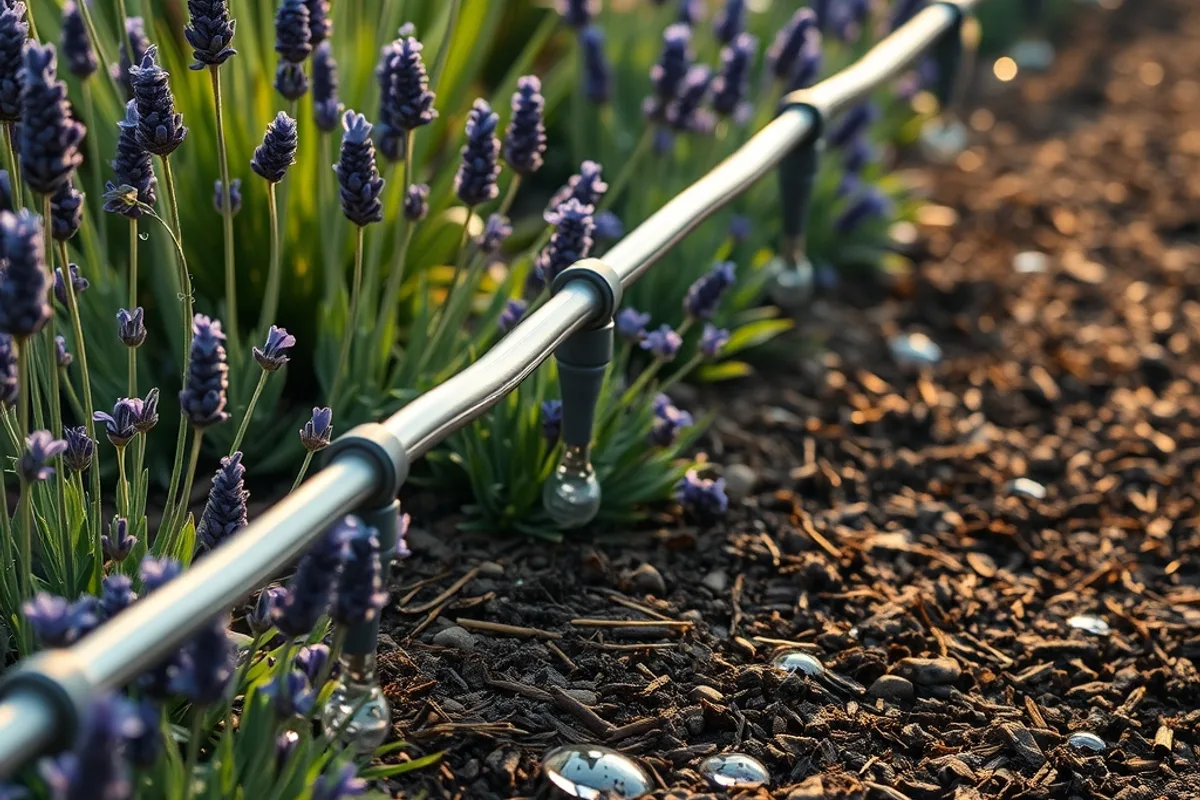
Drip irrigation and soaker hoses deliver water slowly at soil level, where it soaks in rather than running off. A timer helps, but set it manually after rain rather than trusting a schedule through a wet week. Add a rain sensor if the budget allows.
For pots, use a drip system or water deeply until it runs out of the drainage hole. Small pots dry out fast and may need daily water in a heatwave; large pots with a reservoir or a saucer last longer. Group pots together to shade each other and reduce evaporation.
Lawns are the thirstiest element in most gardens. If you keep one, raise the mowing height in summer, leave the clippings and water deeply once a week rather than lightly every day. A lawn that goes dormant in August will usually recover with autumn rain.
Plant in layers for shade and resilience
A layered garden shades its own soil. Tall shrubs and small trees protect lower plants from direct sun, and ground cover holds moisture near the surface. The result is a cooler root zone and less evaporation, which matters more than any single watering technique.
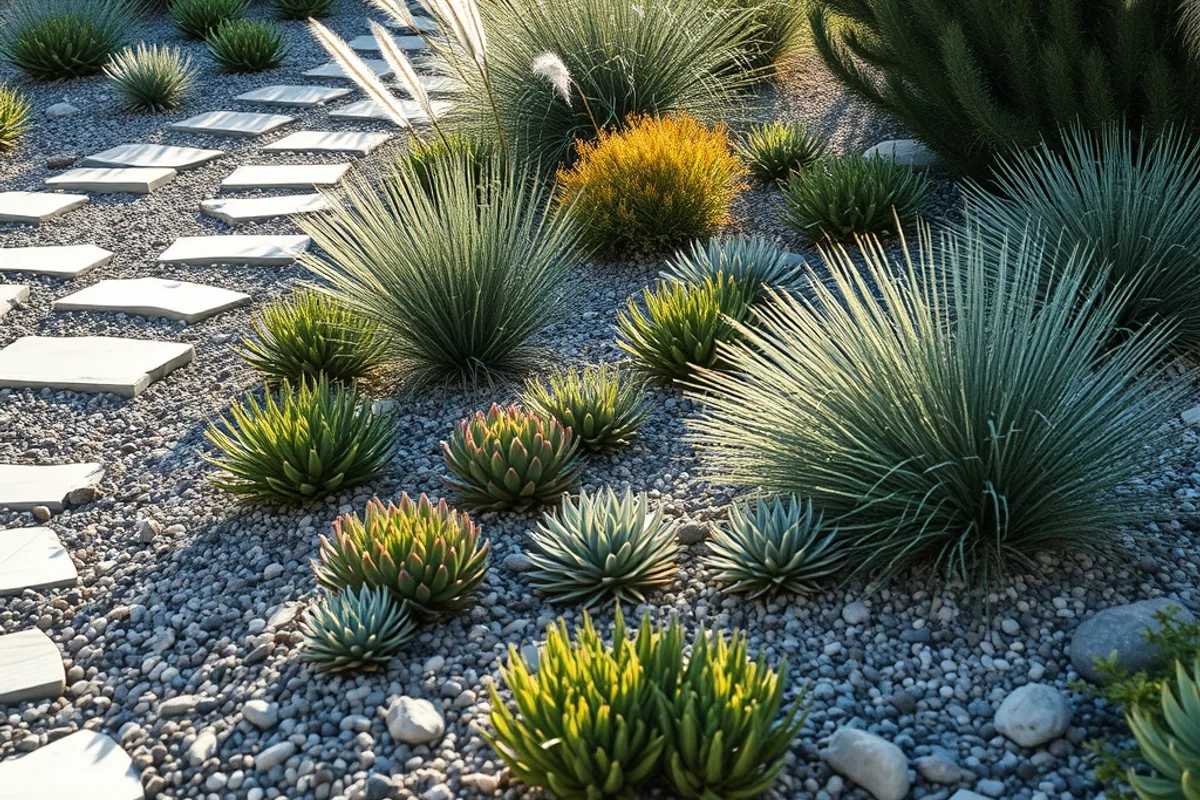
Use gravel or stone mulch in sun-baked areas, and bark or leaf mould in beds that need organic matter. Both reduce evaporation, but they suit different plants and different aesthetics. Choose one and apply it consistently.
Avoid bare soil. It crusts, heats up and loses water. Ground cover, mulch or a dense planting of low perennials will keep the surface protected and reduce weeding at the same time.
Maintain for drought, not for display
Prune lightly rather than hard in summer. Heavy pruning exposes soil and inner stems to sun and triggers new growth that needs water. Save structural pruning for the dormant season.
Weed regularly. Weeds compete for the same moisture and can double the water demand of a bed. A sharp hoe on a dry morning is quick and effective; a thick mulch prevents most of the problem in the first place.
Accept seasonal change. A low-water garden may look quieter in the hottest weeks, then revive with the first autumn rain. That rhythm is healthier than a garden kept artificially green through a drought. If you want colour in August, choose plants that flower in heat, such as salvias, rudbeckia and verbena.
Build a low-water garden
- Improve soil with compost before planting, ideally in autumn.
- Mulch 7 to 10 centimetres deep and keep it off stems.
- Group plants by water need and favour local climate species.
- Water deeply and infrequently, early in the day, at the base.
- Use drip irrigation or soakers rather than sprinklers.
- Shade soil with layers, ground cover and mulch.
The bottom line
A low-water garden is not a sacrifice. It is a garden that spends its water on roots instead of evaporation, and its attention on soil instead of the hose. Build it once, and August becomes a season to enjoy rather than survive.
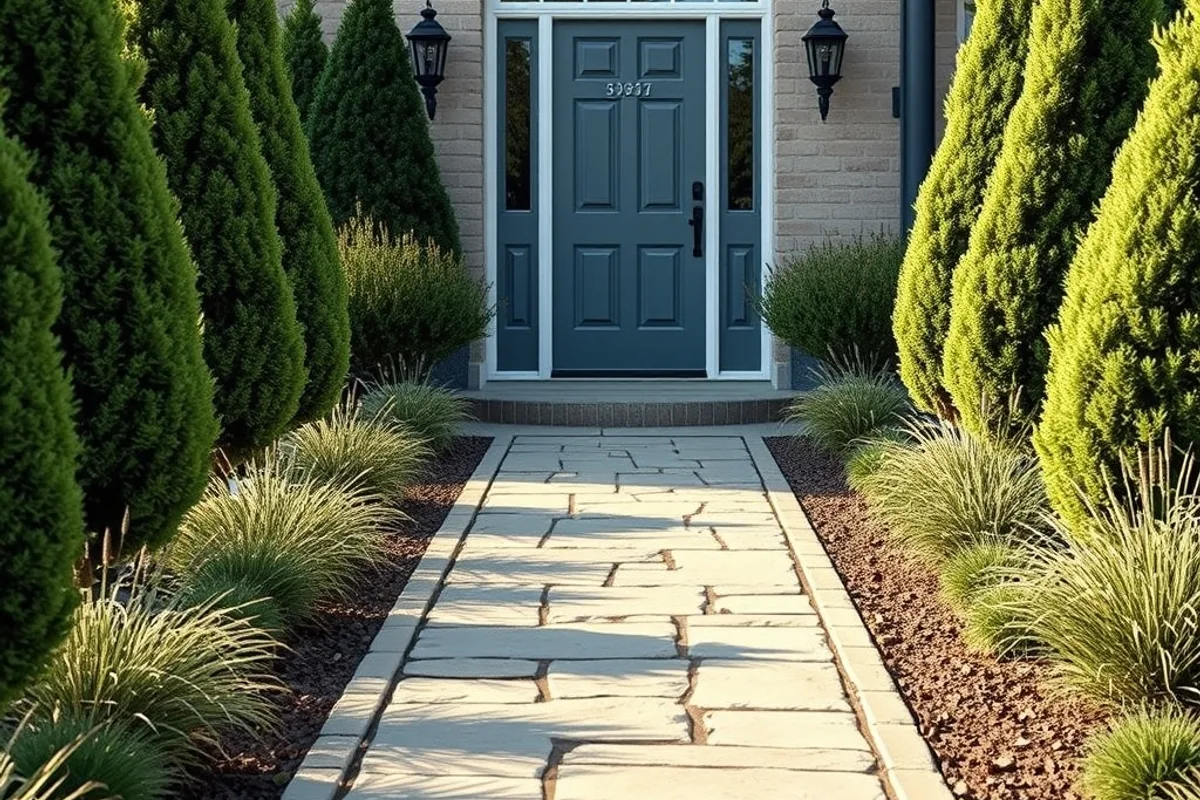
For the front of the house, read our guide to landscaping a front yard that survives real weather.