Appliances rarely fail without warning. A washing machine that smells of damp, a fridge with a noisy compressor or a dishwasher that leaves grit are all early signals. The problem is that the signals are easy to ignore until the machine stops entirely.
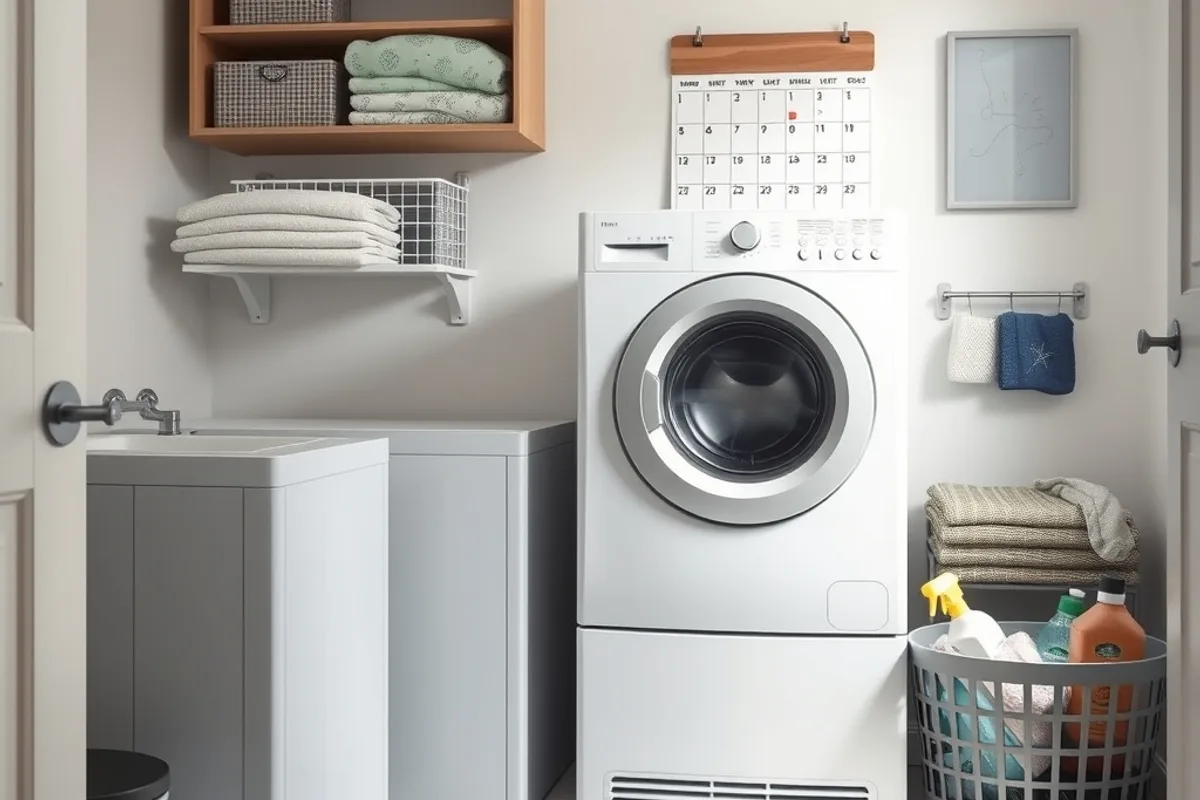
A simple maintenance calendar turns those signals into small tasks. None of them takes more than twenty minutes, and together they add years to the life of the appliances that cost the most to replace.
The schedule below is organised by frequency rather than by appliance, so it is easier to remember. Adjust it to your household, but keep the routine.
Every month: the water appliances
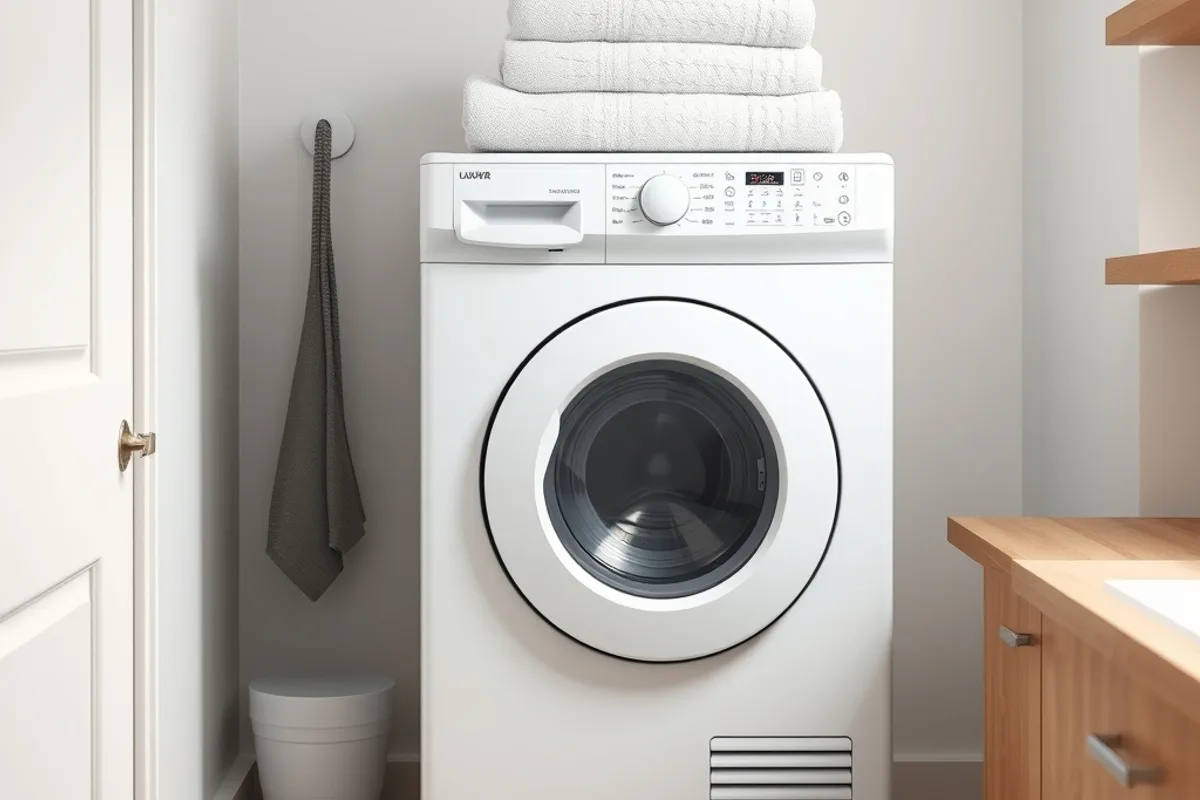
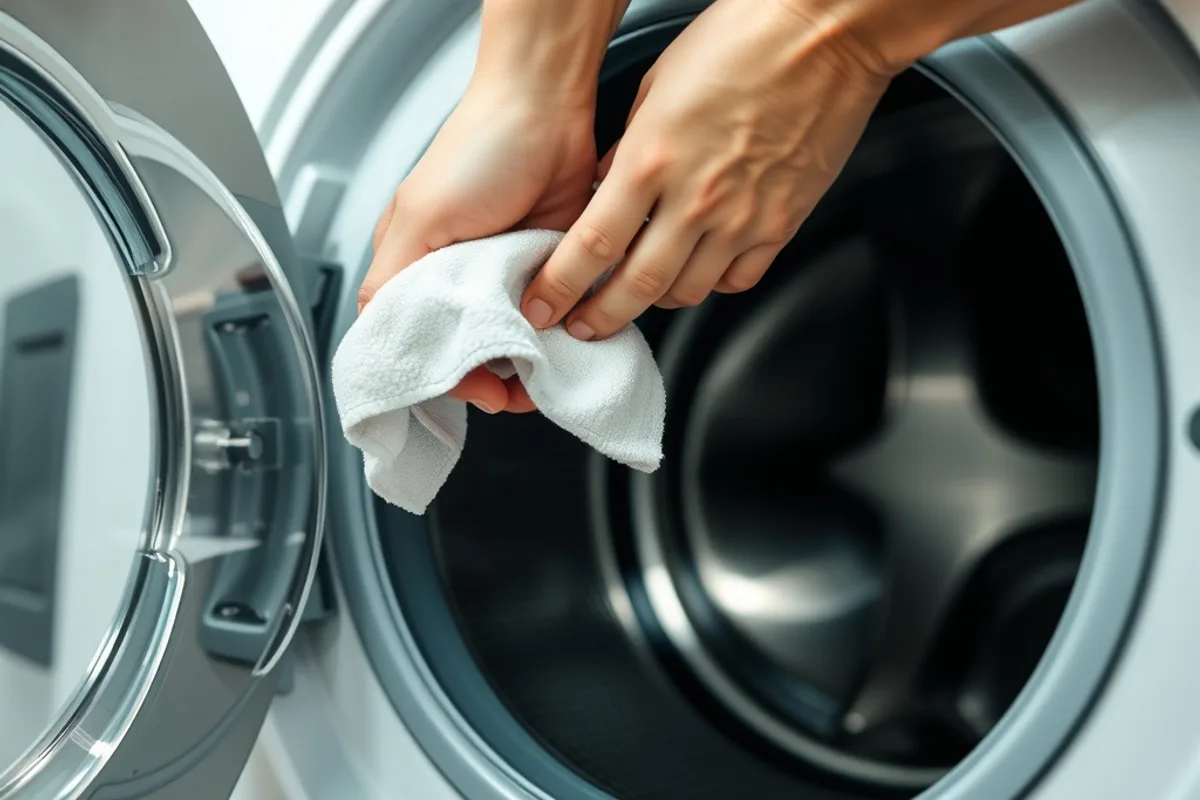
Clean the washing machine filter and check the door seal. Remove lint, coins and hair from the filter, and wipe the rubber seal dry. Leave the door ajar between washes so the drum can dry. This prevents the mildew smell that eventually becomes a permanent odour.
Run a hot maintenance wash with a dedicated cleaner or a cup of white vinegar in the drum. This dissolves detergent residue and limescale. Do it monthly in hard-water areas and every two to three months elsewhere.
Clean the dishwasher filter and spray arms. Rinse the filter under the tap and use a cocktail stick to clear the spray holes. Run an empty hot cycle with a dishwasher cleaner once a month. Check the door seal for food debris and wipe it down.
Every month: the cooling appliances
Vacuum the condenser coils at the back or bottom of the fridge, if they are exposed. Dust makes the compressor work harder and shortens its life. Check the door seals by closing the door on a piece of paper; if it slides out easily, the seal needs cleaning or replacing.
Clear the freezer of frost if it is a manual-defrost model. A build-up of more than a centimetre reduces efficiency and storage space. Never chip at ice with a sharp tool; use a plastic scraper or let it thaw naturally.
Check the temperature with a fridge thermometer. The fridge should sit around 3 to 5 degrees Celsius and the freezer at minus 18. A unit that is too warm wastes energy and spoils food; one that is too cold wastes energy and freezes produce.
Every three months: the kitchen workhorses
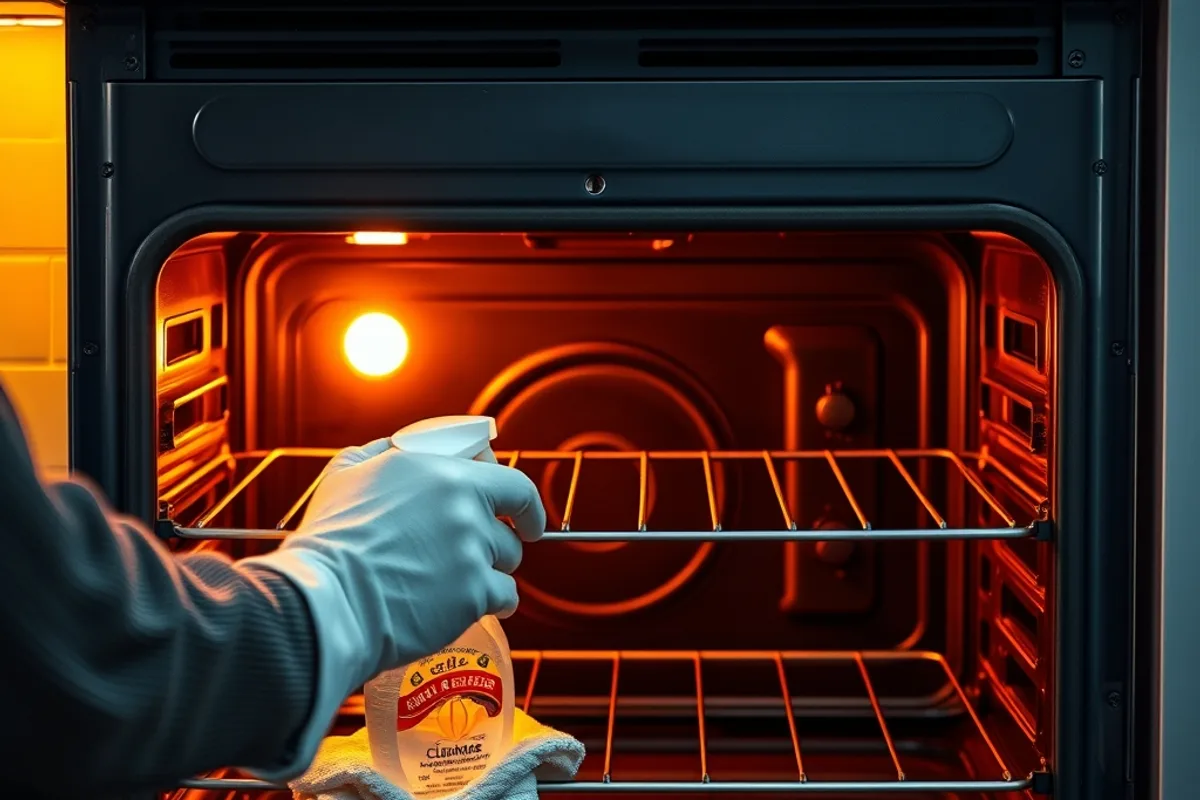
Clean the oven and hob, including the door glass and the seal. Burnt-on residue affects efficiency and smell. Use the manufacturer's recommended cleaner and avoid abrasive pads on enamel or glass. Clean the extractor filter: metal mesh filters can usually go in the dishwasher, while carbon filters need replacing.
Descale the kettle and coffee machine. Limescale makes both slower and less efficient. A citric acid solution or a proprietary descaler, run according to the manual, is usually enough. Rinse thoroughly afterwards.
Clean the microwave interior and check the door seal. Food splatter absorbs energy and can cause arcing. A bowl of water with lemon, heated for a few minutes, softens residue for easy wiping.
Maintenance is not about keeping appliances looking new. It is about keeping them doing the same job with less effort.
Every six months: air, heat and safety
Replace or clean the filters in the tumble dryer, the extractor hood and any ventilation system. Clean filters reduce drying time and prevent overheating. In a heat pump dryer, clean the secondary filter as well as the drum filter.
Test smoke and carbon monoxide alarms. Vacuum the vents and replace the batteries if the model is not sealed. This is not an appliance efficiency task, but it belongs in the same routine because it protects the household.
Book a boiler service with a qualified engineer. An annual service keeps the warranty valid, checks combustion safety and catches worn parts before they fail in winter. Bleed radiators if they are cold at the top and warm at the bottom.

Every year: the deep checks
Pull out the fridge and clean behind it. Vacuum the coils, check the drain pan and look for signs of moisture or pests. Check the water supply hoses on the washing machine and dishwasher for bulges, cracks or leaks; replace braided hoses every five years as a precaution.
Clean the dryer duct if you have a vented model. Lint accumulation in the duct is a fire risk. Disconnect the duct, remove the lint and check that the outdoor flap opens freely. If the duct is long or inaccessible, have it cleaned professionally.
Review the age of your appliances. Most have a design life of 10 to 15 years. Knowing which are approaching the end helps you plan a replacement instead of being forced into a rushed purchase. Keep the manuals and receipts in one folder, physical or digital.
The short version
- Monthly: washer filter and seal, dishwasher filter, fridge coils.
- Quarterly: oven, hob, extractor filter, kettle descale.
- Six-monthly: dryer filters, alarms, boiler service, radiator bleed.
- Yearly: hoses, dryer duct, fridge rear, appliance age review.
- Always: leave the washer door ajar and keep manuals together.
The bottom line
The appliances that last are not necessarily the most expensive. They are the ones that are cleaned, serviced and given a little attention. A calendar on the fridge door is a better investment than an extended warranty.
If you are replacing a dryer, read our guide to what the labels do not tell you about heat pump dryers.